
No one is able to live a healthy, safe and dignified life without clean and affordable energy. That’s why it’s time to take action to ensure no one has to choose between eating, lighting or warming their home ever again.
With energy prices spiralling out of control since 2021 and the climate getting more and more chaotic, citizens from Lisbon to Plovdiv provide an insight into what is needed for a Europe without energy poverty.
About the author:
Originally from New Zealand, Miriam Strong is a photographer and filmmaker with a focus on lifestyle and documentary. Her work stems from a desire to tell stories and explore issues beyond the confines of single images. She is currently based in London but works internationally.
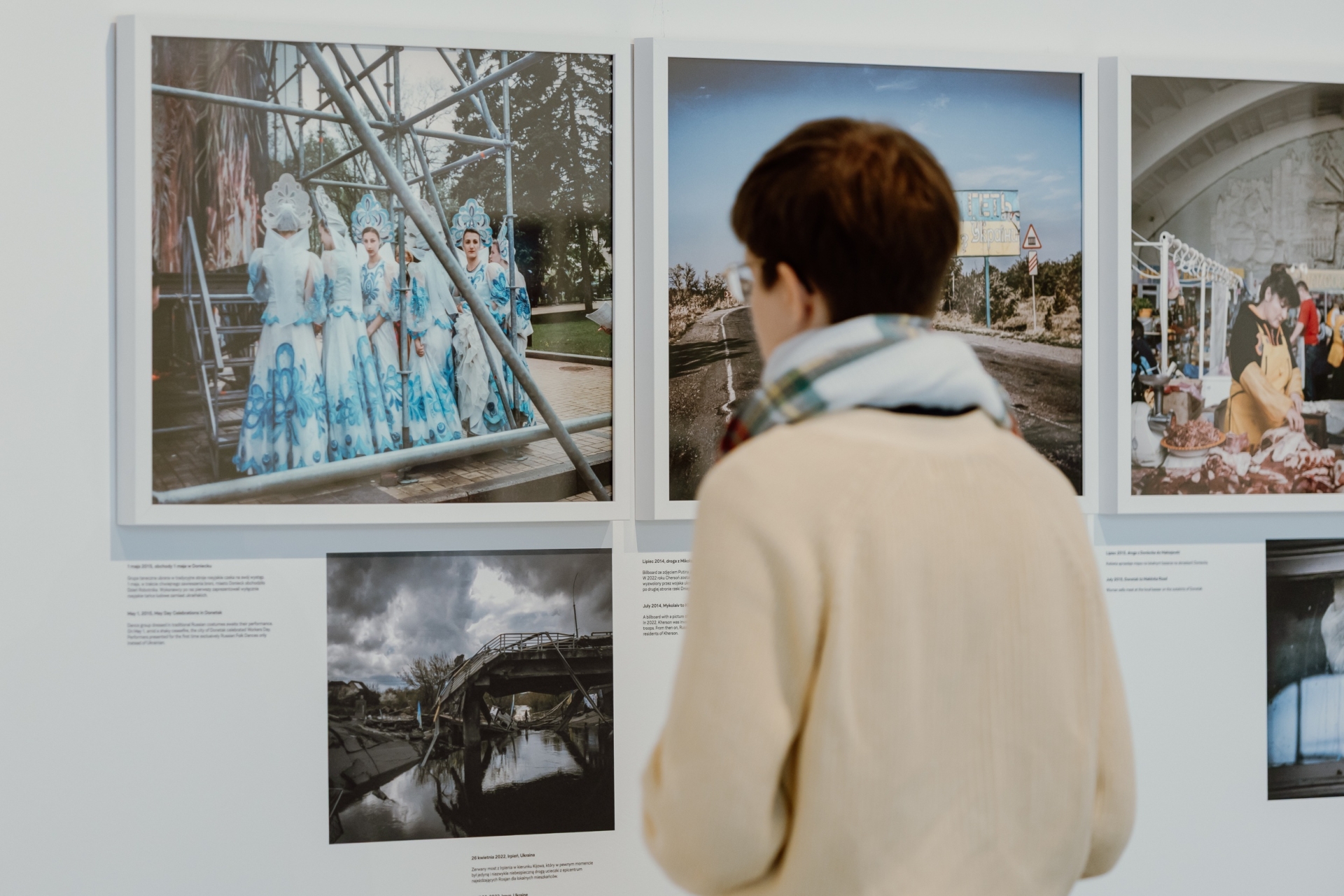
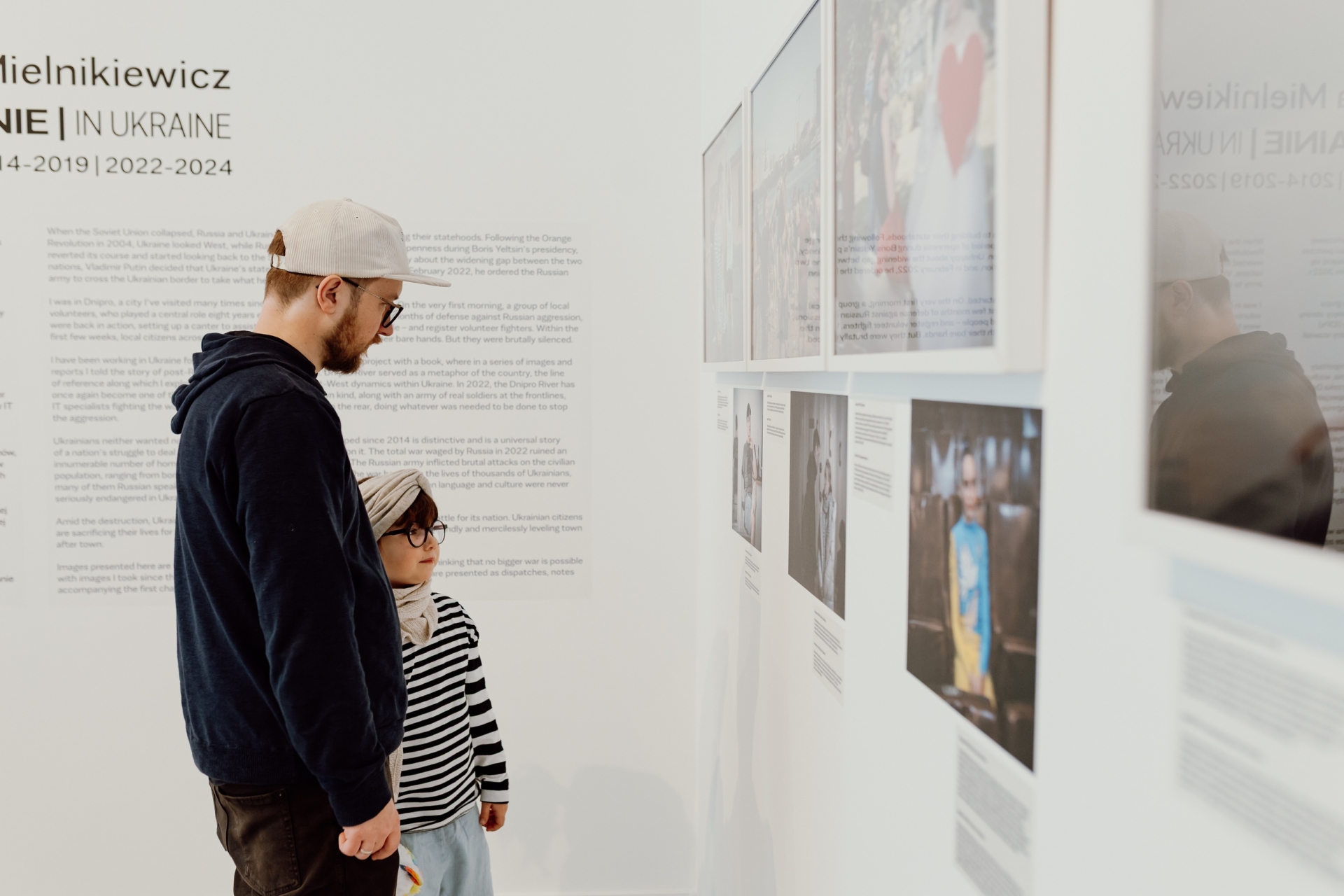
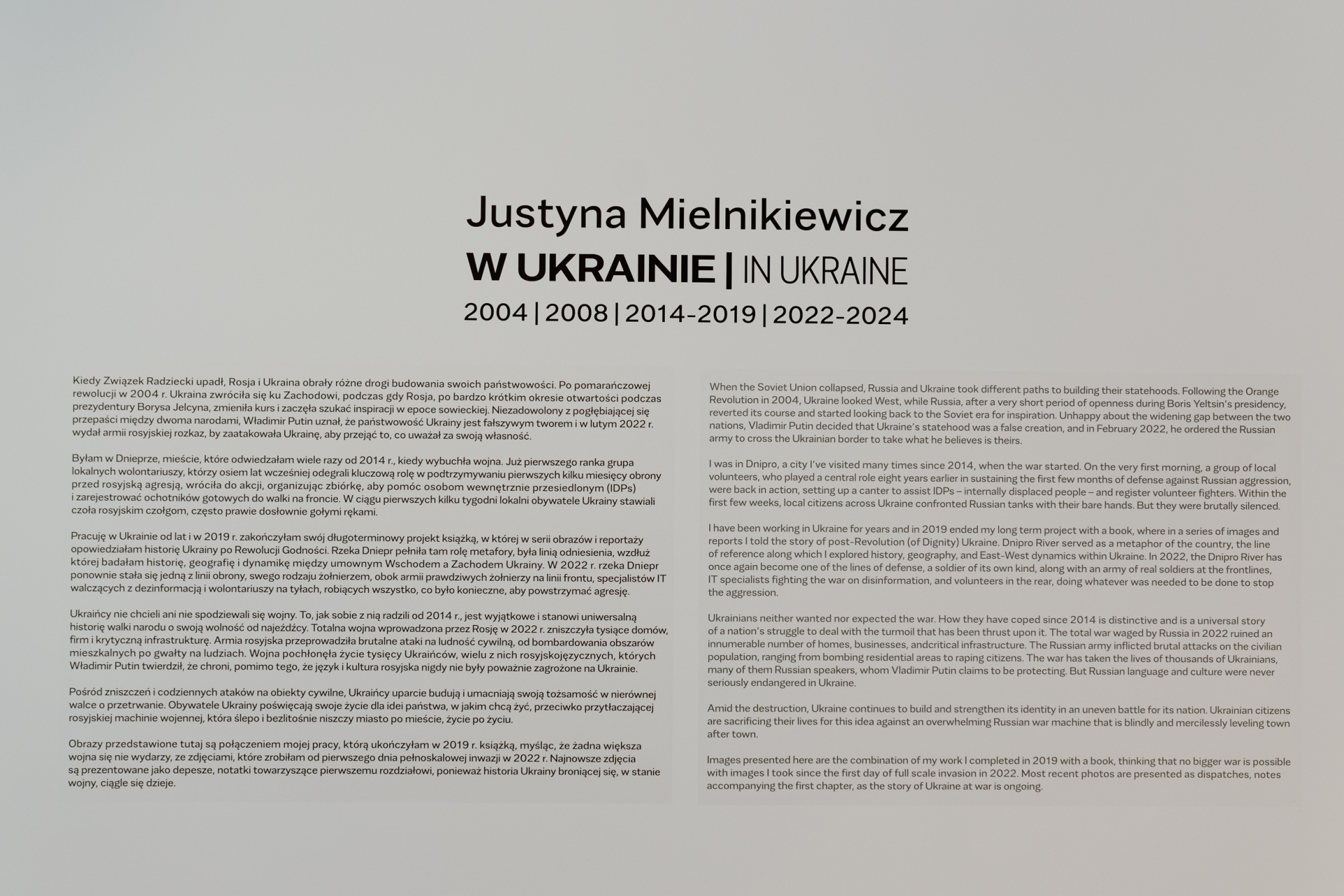
When the Soviet Union collapsed, Russia and Ukraine took different paths to building their statehoods. Following the Orange Revolution in 2004, Ukraine looked West, while Russia, after a very short period of openness during Boris Yeltsin’s presidency, reverted its course and started looking back to the Soviet era for inspiration. Unhappy about the widening gap between the two nations, Vladimir Putin decided that Ukraine’s statehood was a false creation, and in February 2022, he ordered the Russian army to cross the Ukrainian border to take what he believes is theirs.
I was in Dnipro, a city I’ve visited many times since 2014, when the war started. On the very first morning, a group of local volunteers, who played a central role eight years earlier in sustaining the first few months of defense against Russian aggression, were back in action, setting up a canter to assist IDPs – internally displaced people – and register volunteer fighters. Within the first few weeks, local citizens across Ukraine confronted Russian tanks with their bare hands. But they were brutally silenced.
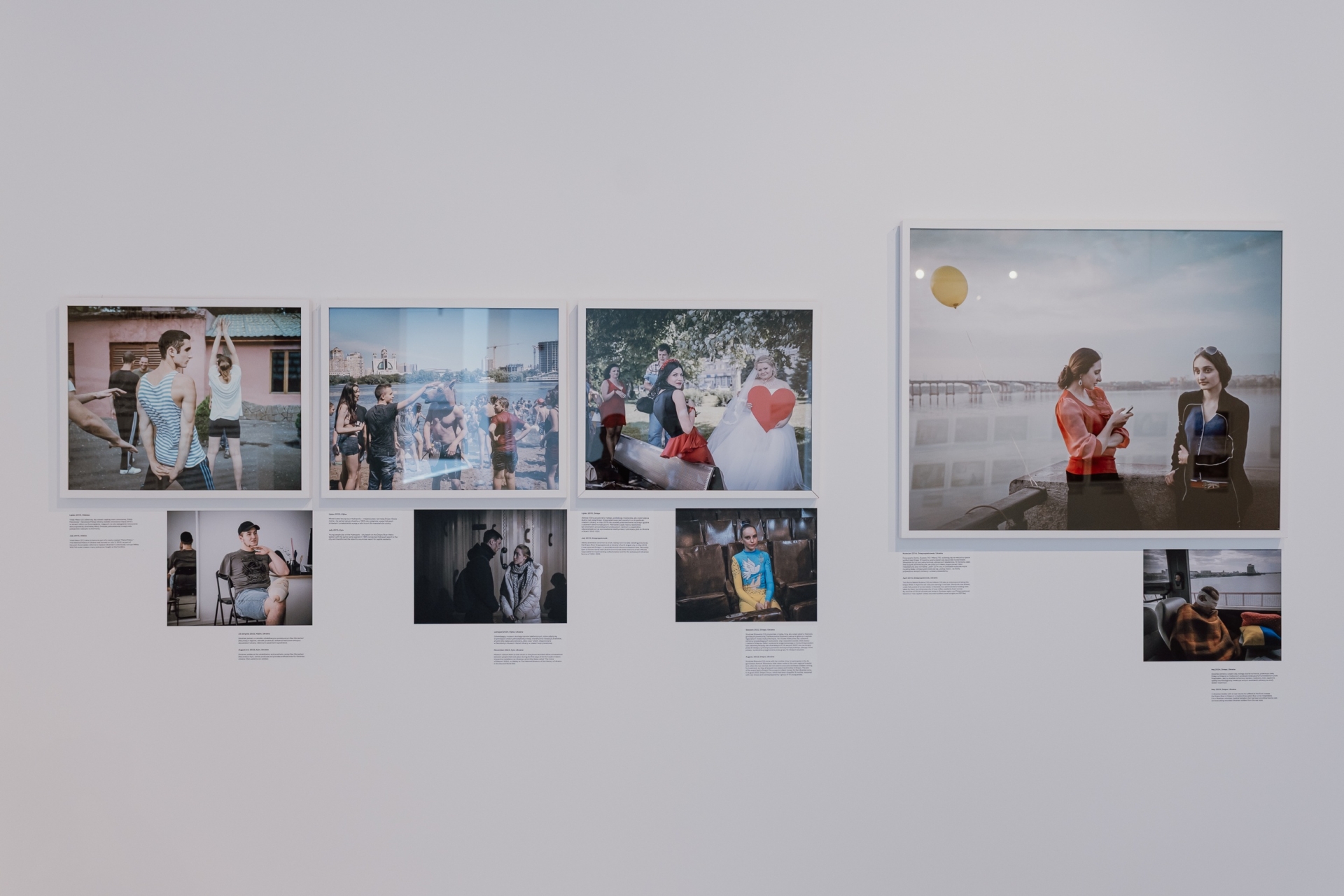
I have been working in Ukraine for years and in 2019 ended my long term project with a book, where in a series of images and reports I told the story of post-Revolution (of Dignity) Ukraine. Dnipro River served as a metaphor of the country, the line of reference along which I explored history, geography, and East-West dynamics within Ukraine. In 2022, the Dnipro River has once again become one of the lines of defense, a soldier of its own kind, along with an army of real soldiers at the frontlines, IT specialists fighting the war on disinformation, and volunteers in the rear, doing whatever was needed to be done to stop the aggression.
Ukrainians neither wanted nor expected the war. How they have coped since 2014 is distinctive and is a universal story of a nation’s struggle to deal with the turmoil that has been thrust upon it. The total war waged by Russia in 2022 ruined an innumerable number of homes, businesses, andcritical infrastructure. The Russian army inflicted brutal attacks on the civilian population, ranging from bombing residential areas to raping citizens. The war has taken the lives of thousands of Ukrainians, many of them Russian speakers, whom Vladimir Putin claims to be protecting. But Russian language and culture were never seriously endangered in Ukraine.
Amid the destruction, Ukraine continues to build and strengthen its identity in an uneven battle for its nation. Ukrainian citizens are sacrificing their lives for this idea against an overwhelming Russian war machine that is blindly and mercilessly leveling town after town.
Images presented here are the combination of my work I completed in 2019 with a book, thinking that no bigger war is possible with images I took since the first day of full scale invasion in 2022. Most recent photos are presented as dispatches, notes accompanying the first chapter, as the story of Ukraine at war is ongoing.
Gallery
Photography has forever changed the way our memory functions. Many times I witnessed a situation where a photograph triggered a cascade of memories: “That’s Aunt Krysia, and next to her – her son. He’s like 15 years old, so it must be around 1964…” I’ve heard plenty of such and similar statements. But what happens when this launched cascade encounters a breach, a void, and the process of knocking over domino blocks is violently interrupted?
Marta Wojnarowska-Olszewska takes a look at this question. She doesn’t do it by choice, she has been confronted with the fact of her mother’s illness. She accompanies her, takes care of her, and at the same time – this is my impression – tries to understand, tame and cope with the illness of a loved one. All this through a medium – which she knows and understands well – photography.
For this she uses not only the camera, with which she catches the subtle “shifts,” the small signs of the slow fading of memory, and thus also the changes in a person she has known all her life. She also uses archival photos, which are slowly losing their documentary context and instead of answering questions about the past, she puts it into question.
The artist also includes her protagonist in her work on the material, transforming her from a photographed person into a co-author of the project. Together they try to preserve what is still in memory. Mom describes the situation in the photos, recognizes people, adds dates. Increasingly, however – unfortunately – she ends statements with a question mark rather than a period.
The work “Forget-me-nots bloom in January” goes far beyond the word “project.” It is both an artistic work and a form of therapy. Marta Wojnarowska-Olszewska does not describe the disease, nor does she try to give the viewer any answers. She looks at the process of erosion of the whole family, changing ties, but also at herself. Most importantly, she also asks questions about how the illness of a loved one changes not only the memory, but through it also the person as such. For isn’t what we have experienced a part of us?
Curator: dr Rafał Siderski
about the author:
Marta Wojnarowska-Olszewska – landscape and interior architect, photographer. She engages in working on long-term projects. She uses various techniques and means of expression, adapting them to her chosen methods of storytelling.
Gallery


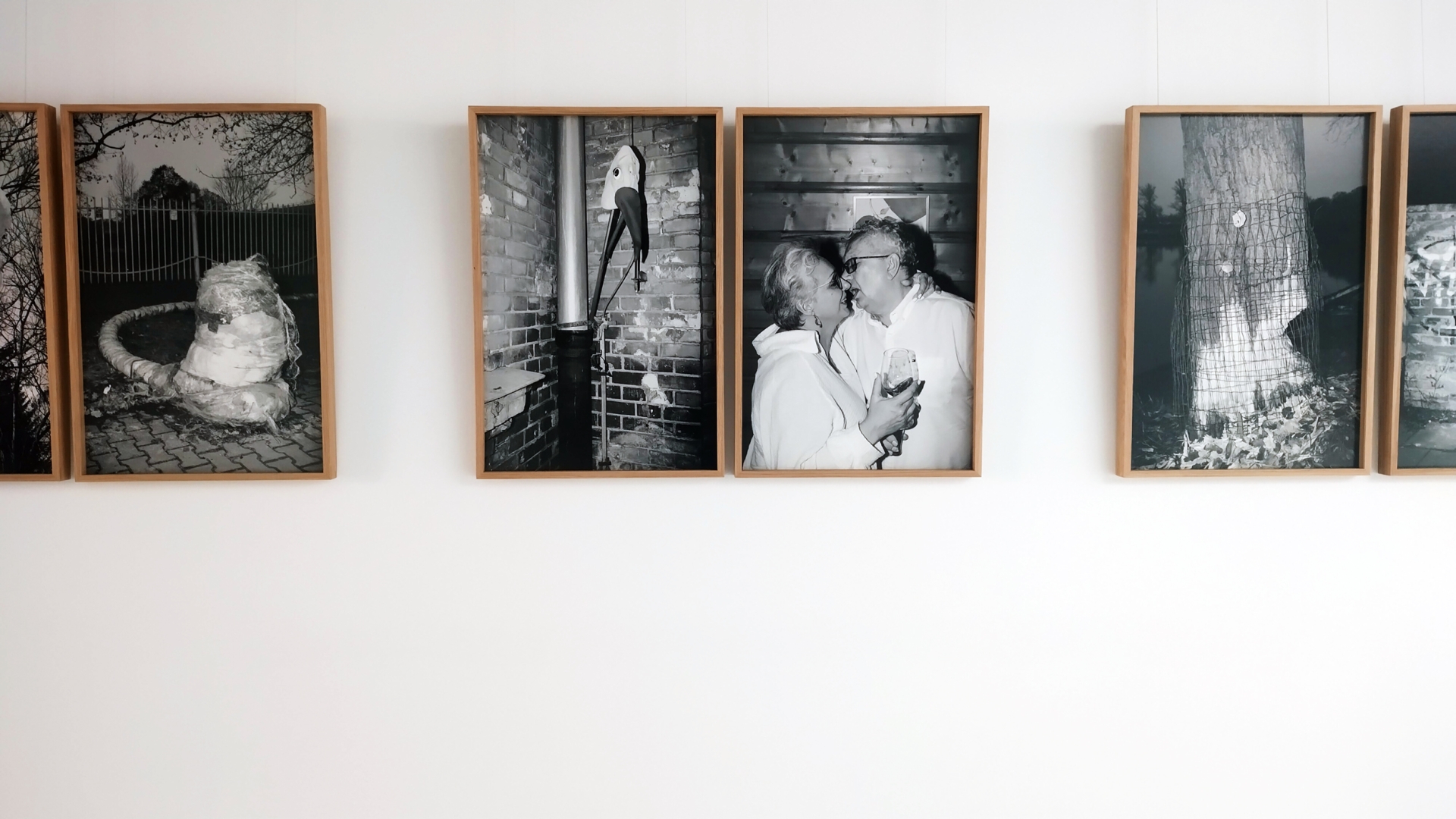
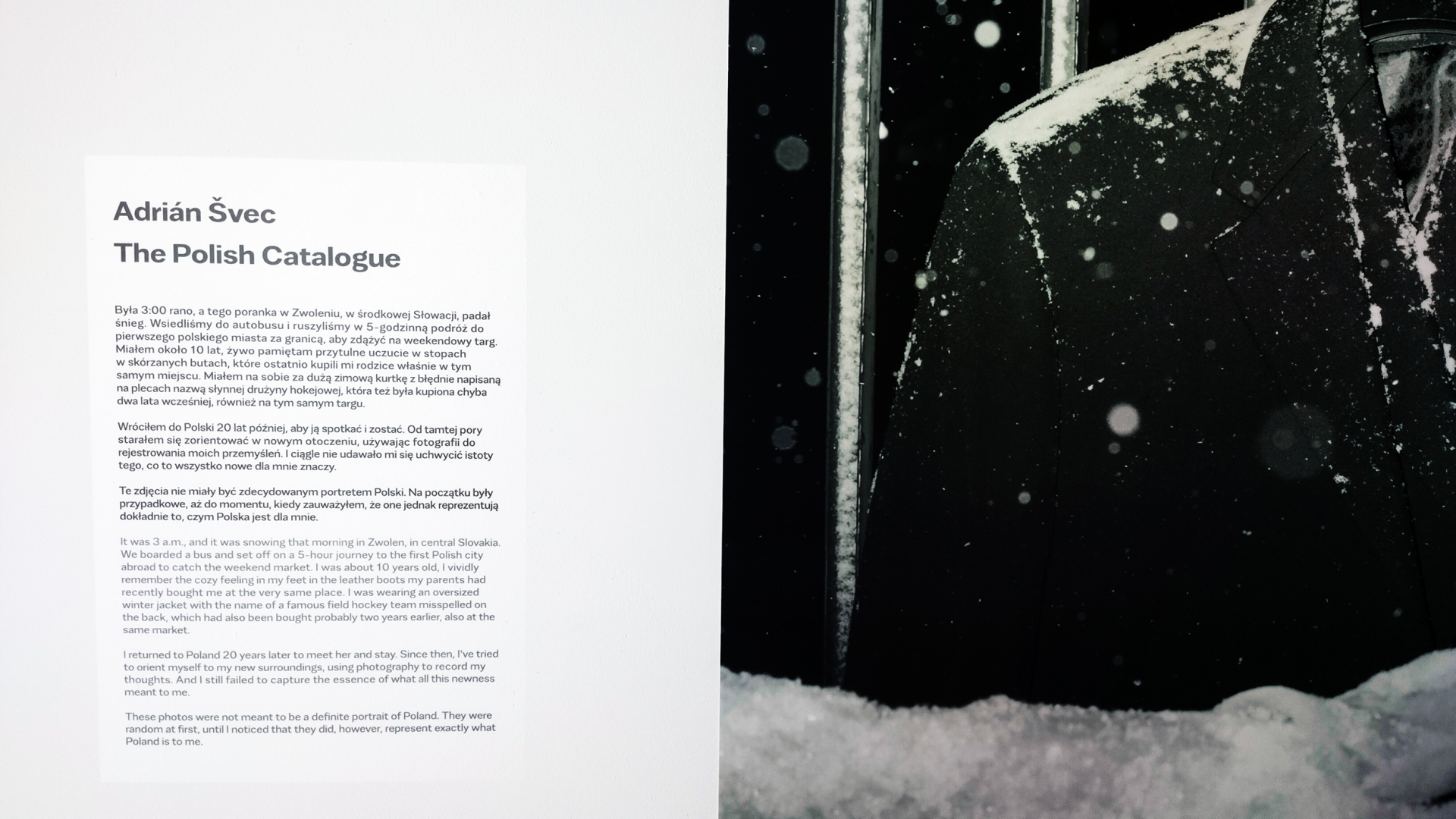
It was 3 a.m., and it was snowing that morning in Zwolen, in central Slovakia. We boarded a bus and set off on a 5-hour journey to the first Polish city abroad to catch the weekend market. I was about 10 years old, I vividly remember the cozy feeling in my feet in the leather boots my parents had recently bought me at the very same place. I was wearing an oversized winter jacket with the name of a famous field hockey team misspelled on the back, which had also been bought probably two years earlier, also at the same market.
I returned to Poland 20 years later to meet her and stay. Since then, I’ve tried to orient myself to my new surroundings, using photography to record my thoughts. And I still failed to capture the essence of what all this newness meant to me.
These photos were not meant to be a definite portrait of Poland. They were random at first, until I noticed that they did, however, represent exactly what Poland is to me.
Gallery


BEFORE MIDJOURNEY – A NEW EXHIBITION IN THE RZECZNA ART GALLERY OPEN FROM 22ND OF NOVEMBER!
ZDZISŁAW BEKSIŃSKI, KATARZYNA FOBER, ANNA KLOC
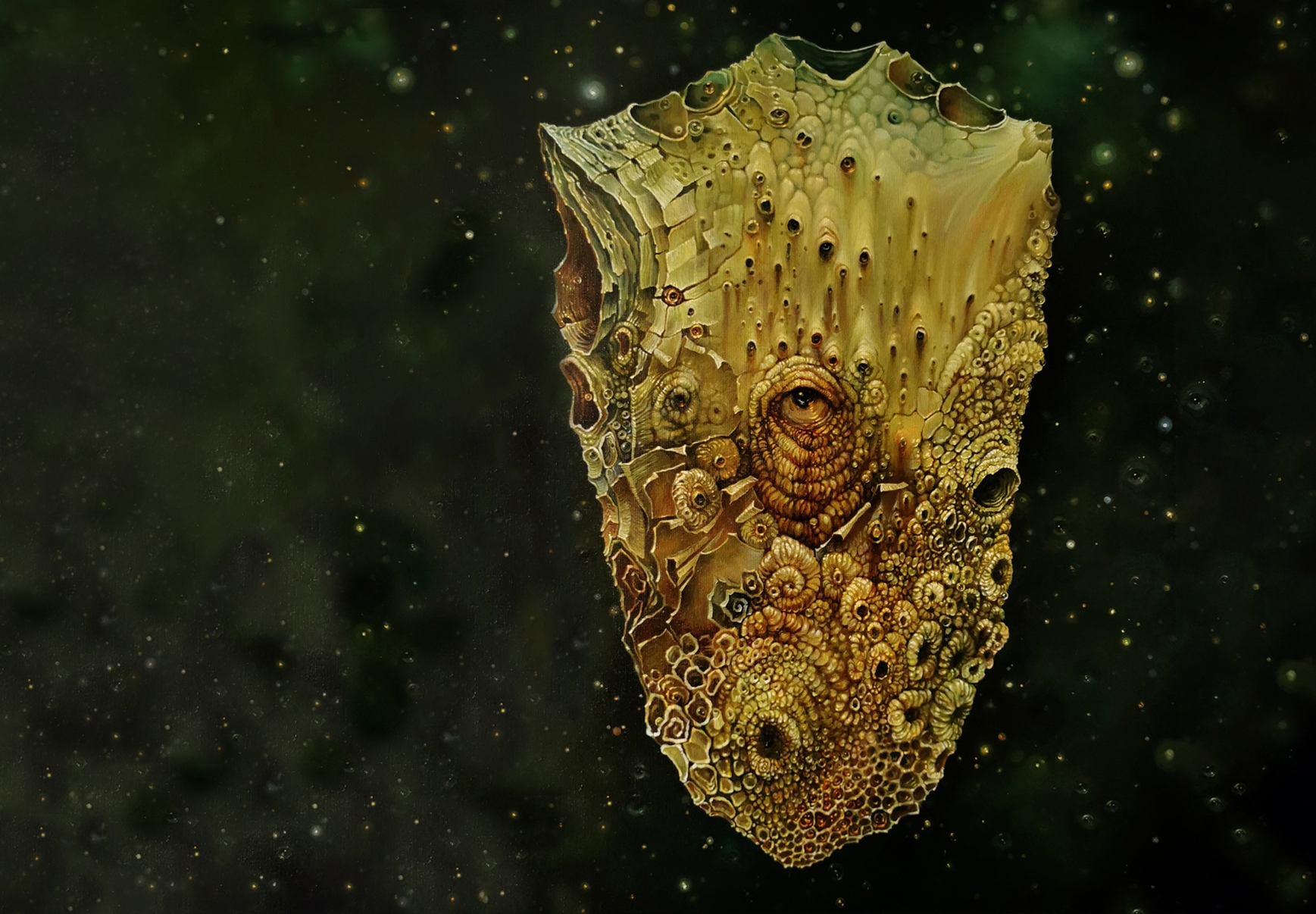
The “Before Midjourney” exhibition, described as “before the access to the free (since 2024) version of the most popular artificial intelligence app, which from entered phrases generates images” centers around the issues of environmental, societal, and ethical consequences of artificial intelligence use in amateur and professional artistic activity. However, it above all concentrates on concepts such as originality, authenticity, talent, and physical experience.
The lack of clear legislation regarding copyright laws for content created by AI, but also the data on which algorithms are trained; the resignation from learning and perfecting crafts and the lack of elementary basics in the scope of art education – theoretical and practical – in young generation’s artists – these are topics we want to think about today because tomorrow they will increasingly shape our visual surroundings.
In the exhibition “Before Midjourney” we show representative fragments of the works of Polish authors, whose images/objects have been created without the use of AI, but the aesthetic of which falls into what AI is most eagerly trained to generate. The starting point for the setup of the exhibition was the idea of referencing in a minimalistic, abstract way the arrangement of circuit boards in CPU. When we look up the phrase “AI graphic symbol”, the result will be examples of graphic diagrams, based on which we built a geometric composition. Imperfect, but consolidated. By a shared problem.
Before Midjourney
In the beginning, there was talent.
Talent was entrusted,
talent was not wasted.
Talent grows, blossoms.
It fills canvases and spaces,
creates connections, links, bridges.
Talent touches deeply, strikes chords,
awakens sensitivity.
It names things, enchants time.
Talent remains after us.
Before Midjourney is an exhibition about the past, about what is here and now, and what is coming. It is a comparison of three differing creative attitudes, which stand in opposition to the ever constant attempts at diminishing the importance of talent in art in both aspects of life – the real and the virtual. Painting, graphics, drawing and sculpture exist here in reality, in a specific place and time. They invite to focus on a detail without pixels, and to leave in contemplation. The physicality of those works is at one’s fingertips, in the line of sight. On a scale of humanity, in the human form, artists stand “face to face” with artificial intelligence.
CURATOR OF THE EXHIBITION:
dr Katarzyna Fober
Graduate of High School of Fine Arts named after A. Kenar in Zakopane. In 2011, she defended her master’s with dean’s honors in the studio of Prof. A. J. Pastwa from the Faculty of Sculpture at the Academy of Fine Arts in Warsaw. That same year, she began working at the Academy of Fine Arts in Katowice, where she currently co-leads the Sculpture Studio in the Department of Painting at the Faculty of Arts. She has held some solo exhibitions and participated in group exhibitions in Poland and abroad (Italy, Germany, Slovakia, Czech Republic). She has taken part in sculptural and artistic symposiums in Poland and internationally, where she created public space projects such as “Natural Monument” (2012, Slovakia), “Milestone” (2015, Czech Republic), “Sacrum” (2017, Germany). Her sculptures are included in collections in Italy, Germany, the Czech Republic, and Slovakia. She is the author of the monument commemorating Krystyna Bochenek, located in the Art Gallery at Grunwald Square in Katowice. In 2023 she defended her PhD with distinction at the Faculty of Sculpture of the Academy of Fine Arts in Warsaw. She is a 2024 recipient of a scholarship from the Minister of Culture and National Heritage. She works primarily in the field of sculpture, and since 2017, she has also been actively involved in the art and design field, co-leading the KUFA.design brand, through which she participates in design-related events and exhibitions. She lives and works in Cieszyn.
Information
Date
22.11.2024 — 28.02.2025
Location
Rzeczna Art Gallery
The Rybnik Centre for Art Education
Rzeczna 1 street, 44-200 Rybnik
Duration
± 1 hour/s:
Curator
dr Katarzyna Fober
Translations
Zosia Zimny | Fundacja Eduarte
Implementation of the exhibition project
Rzeczna Art Gallery | P.W TK-BUD Michael Tkocz | Teatr Ziemi Rybnickiej | E-graficy.pl
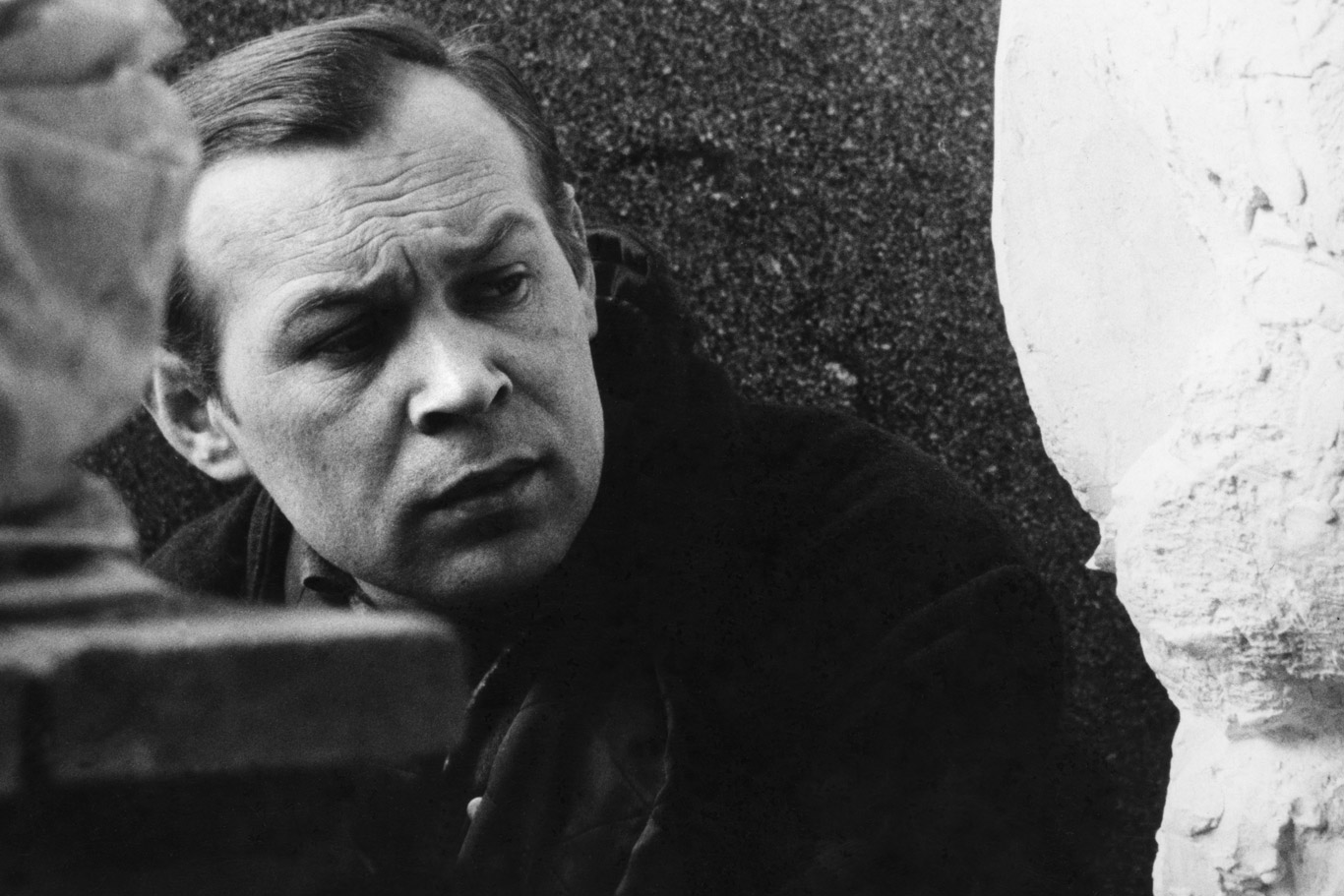
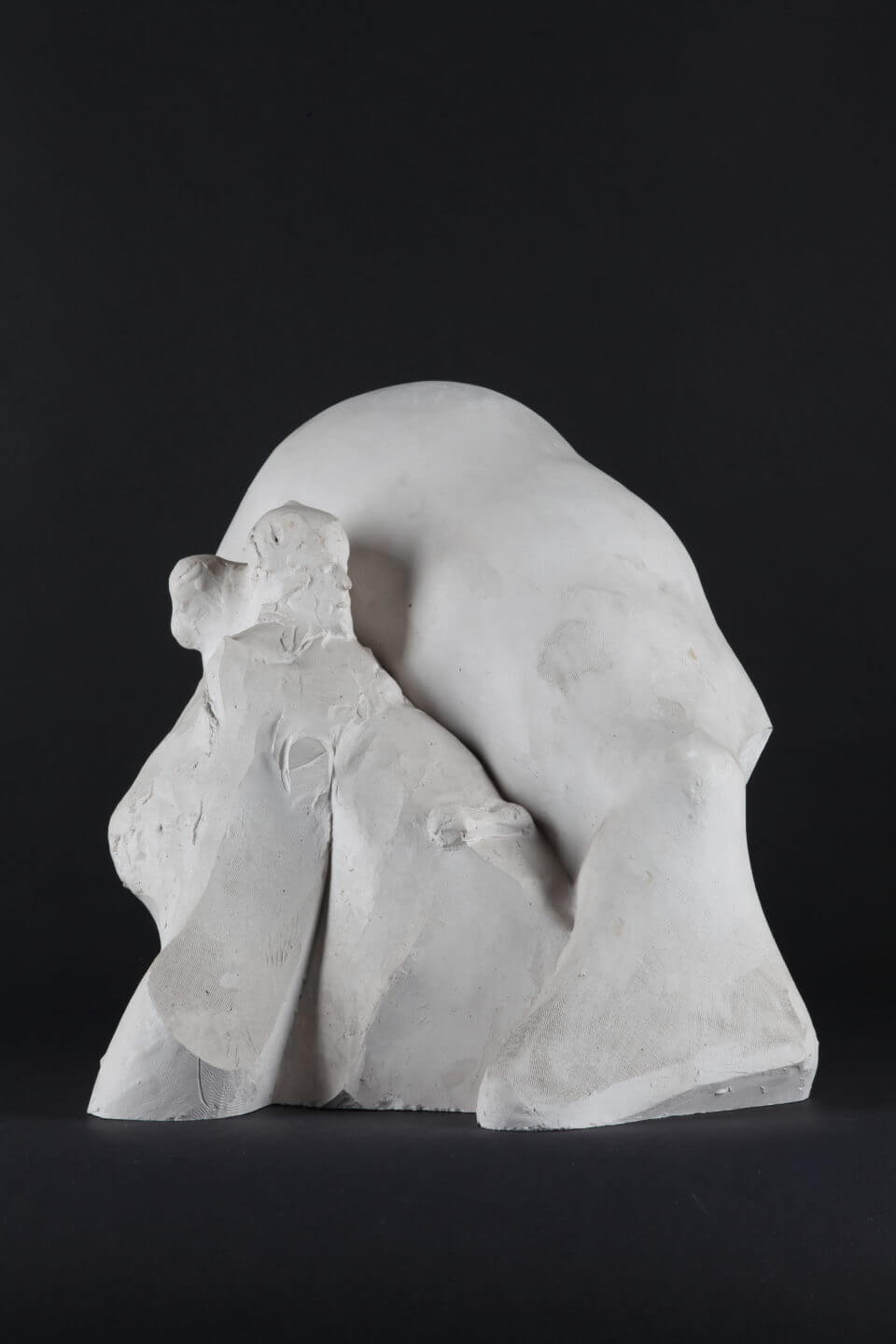
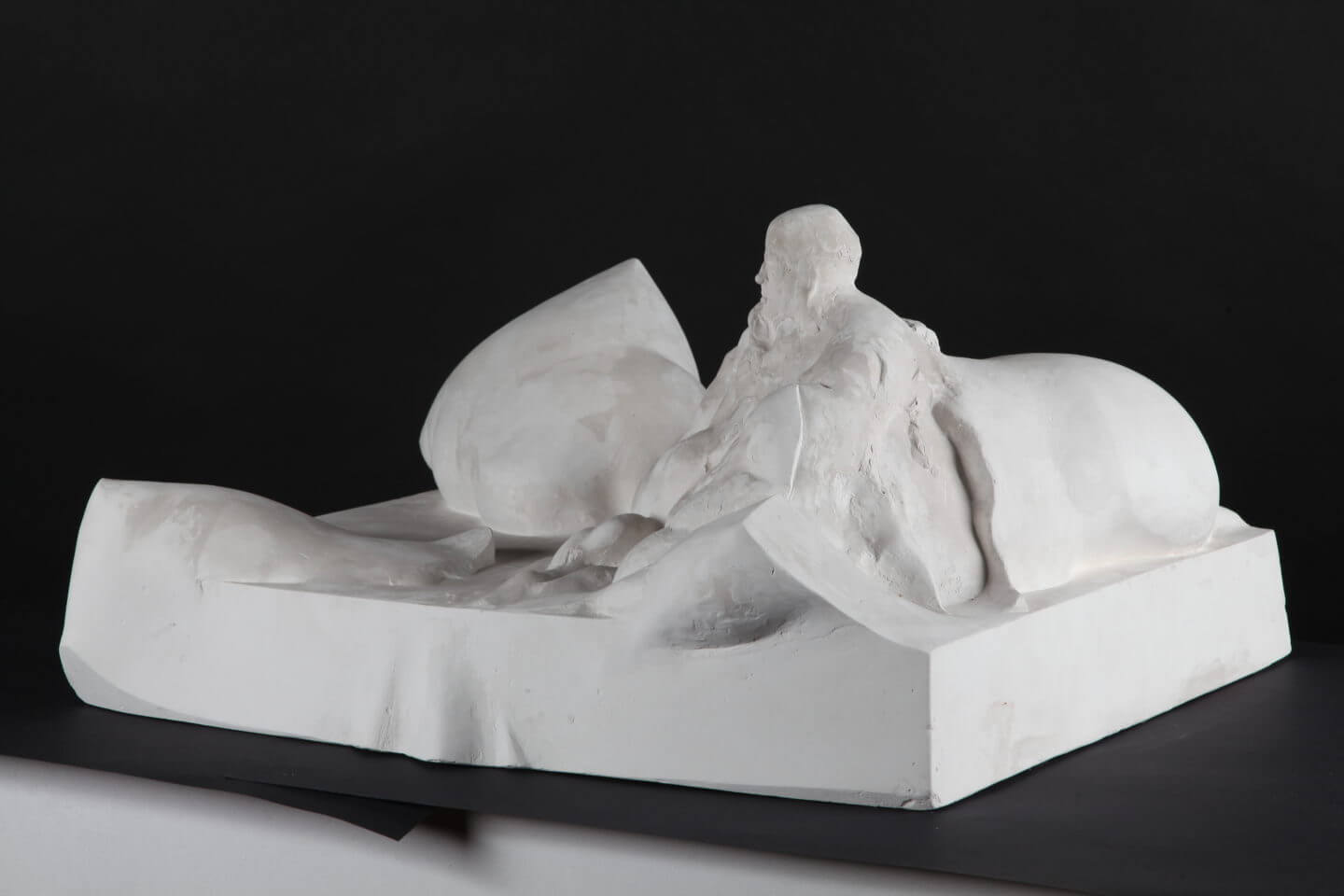
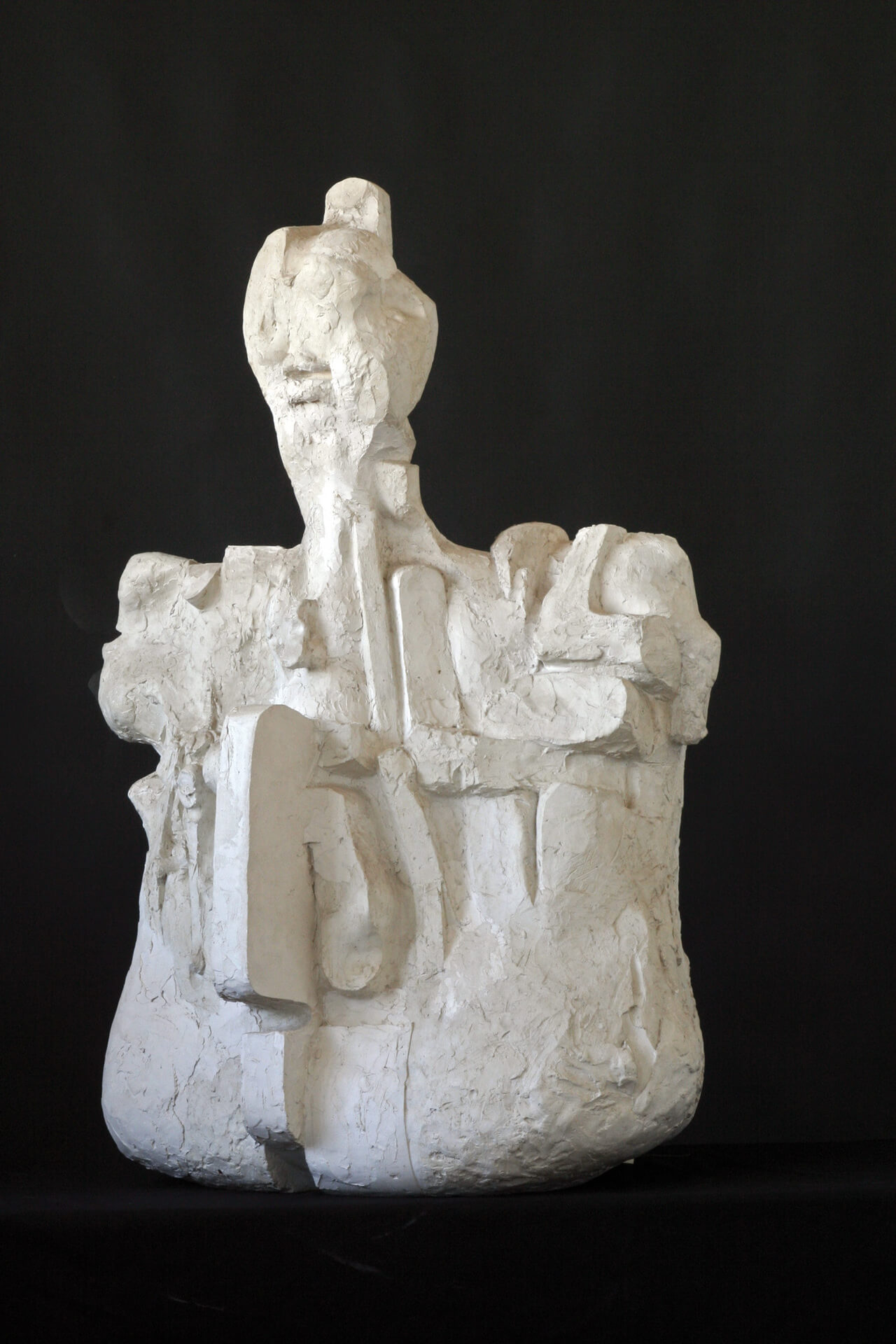
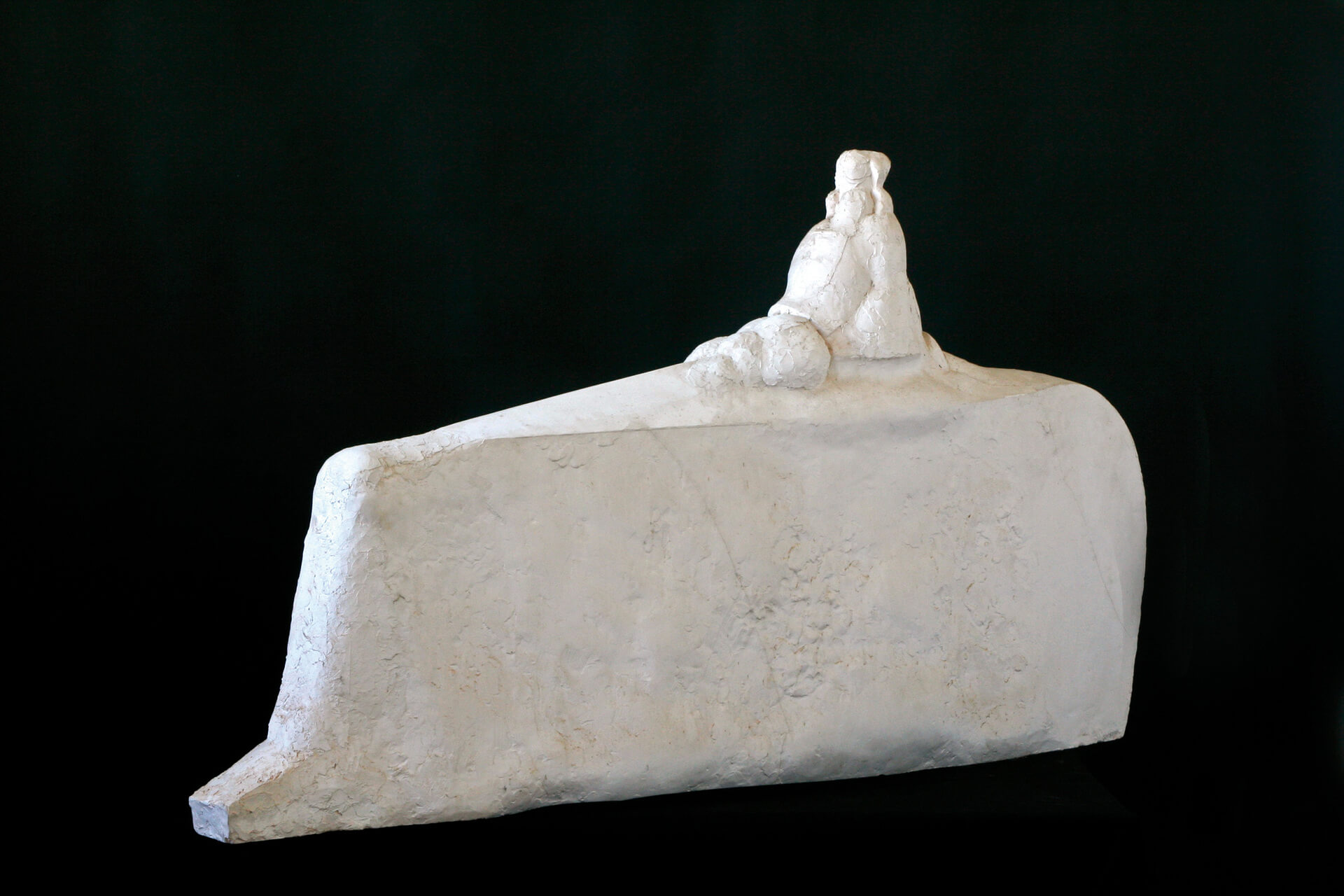
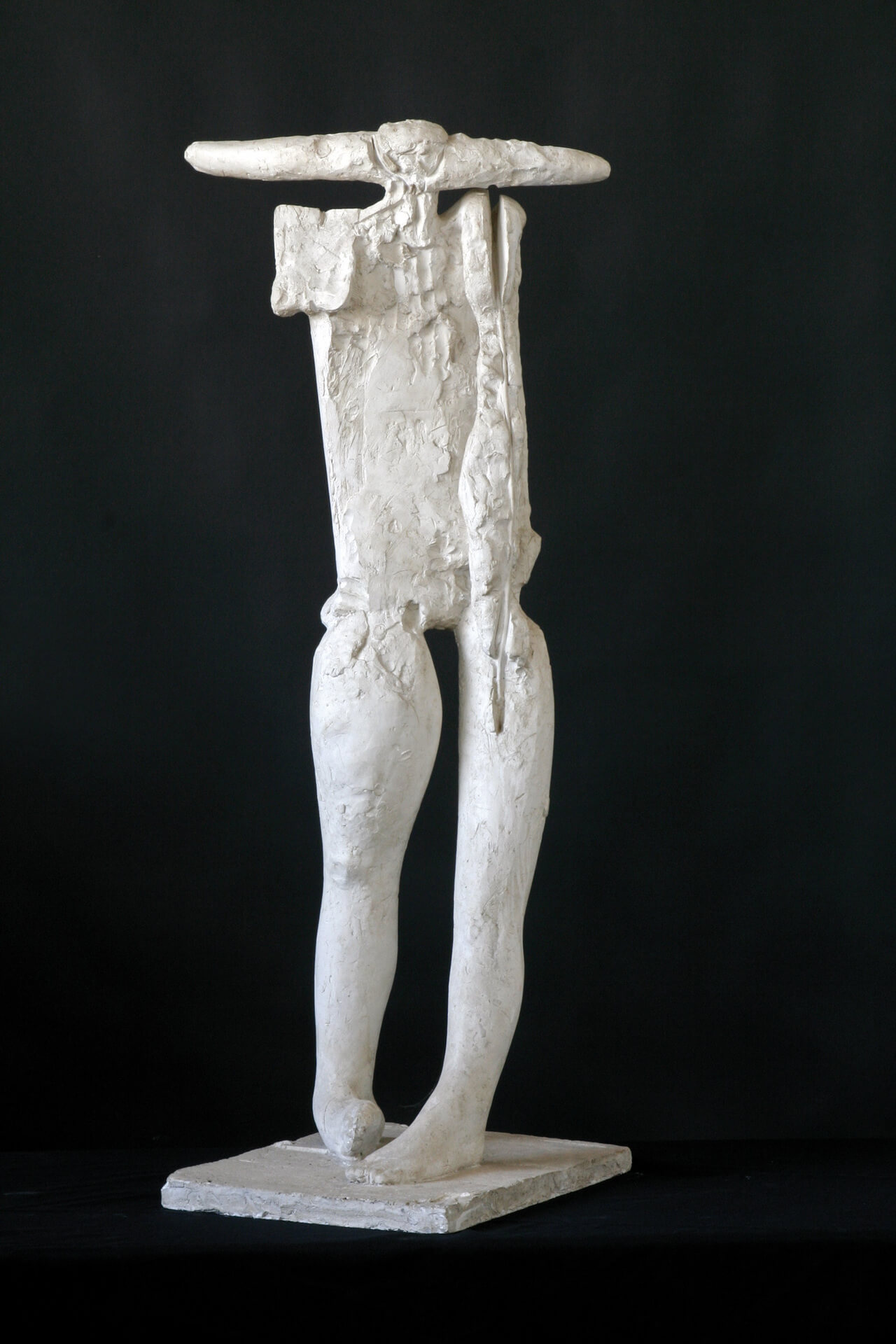
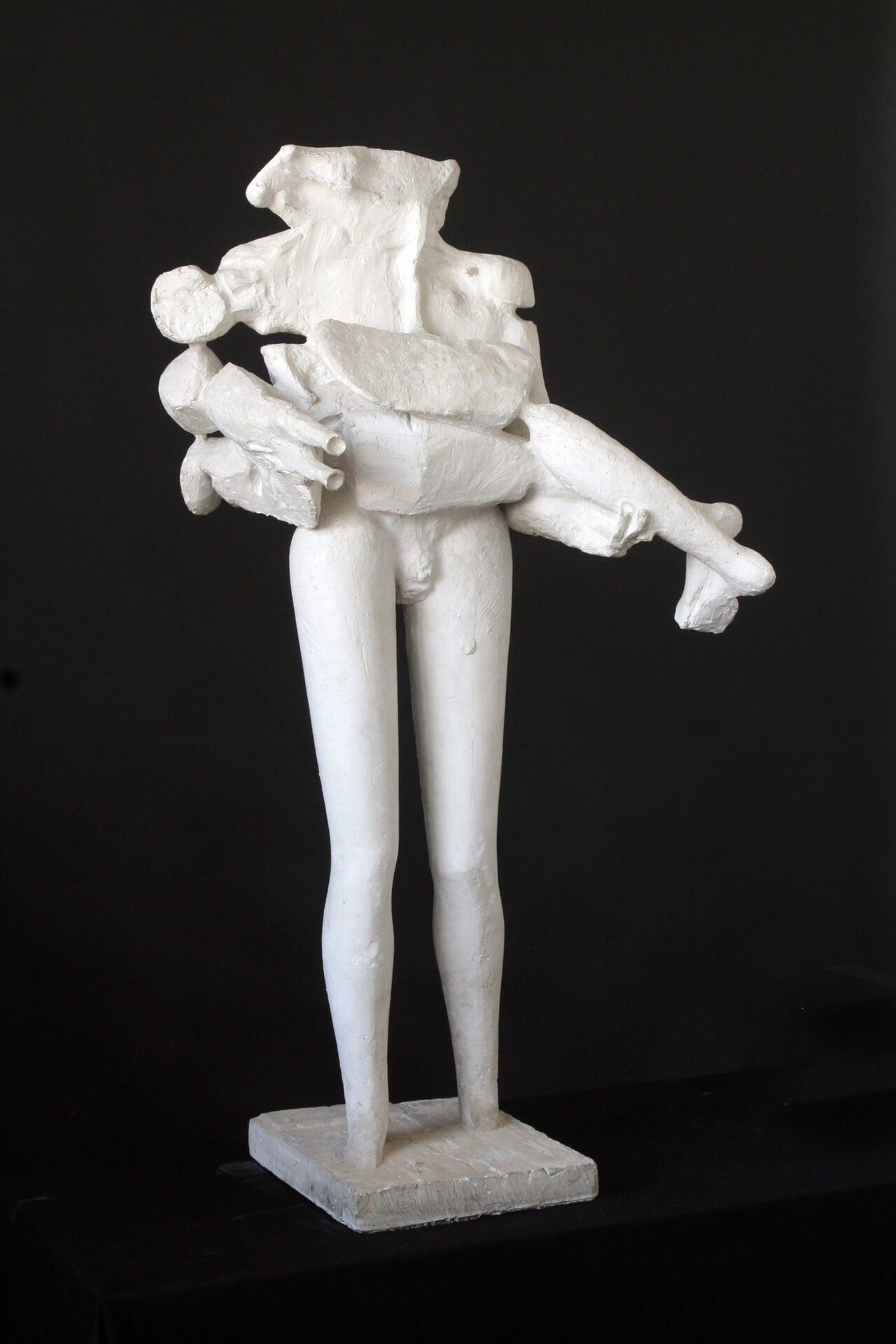
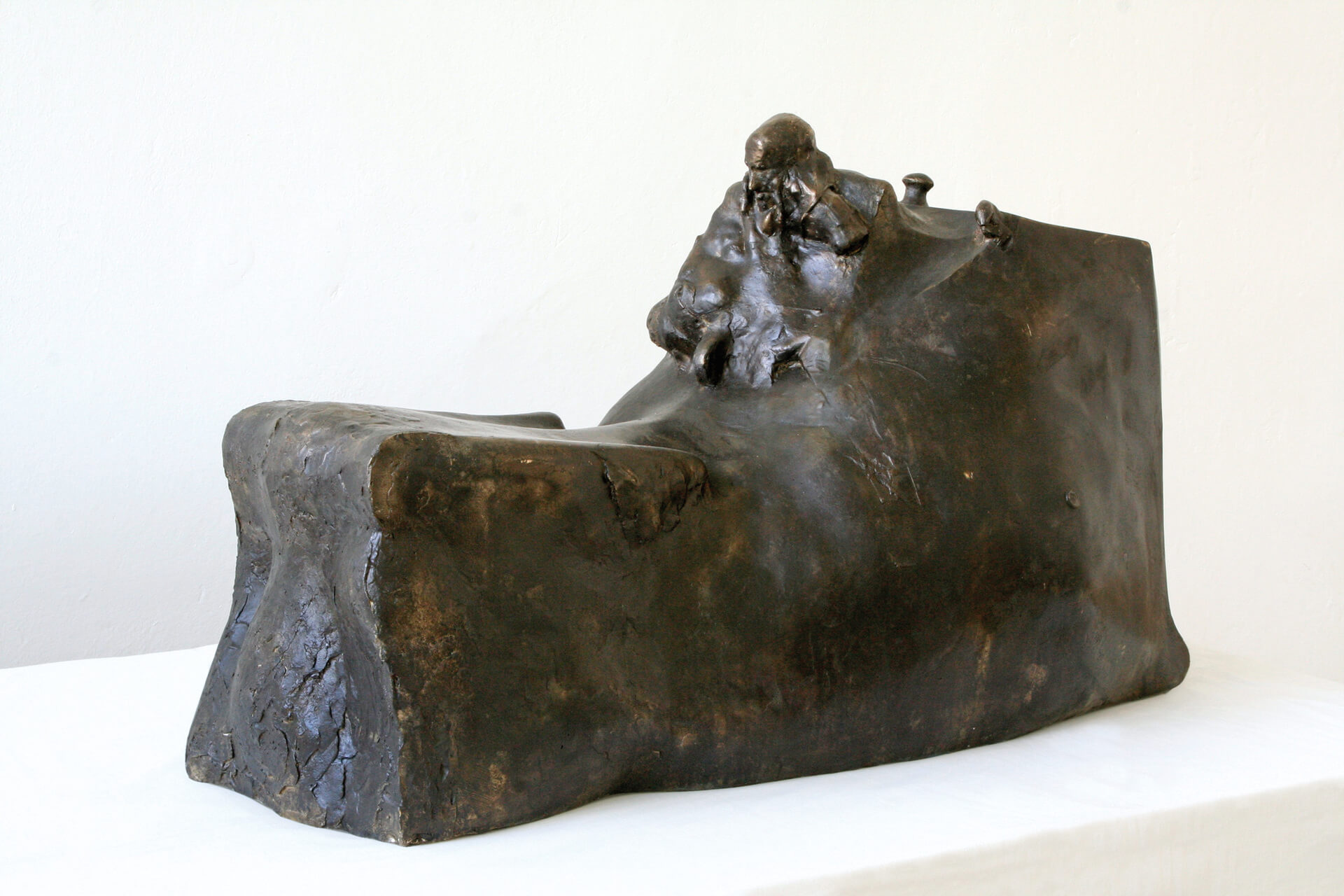
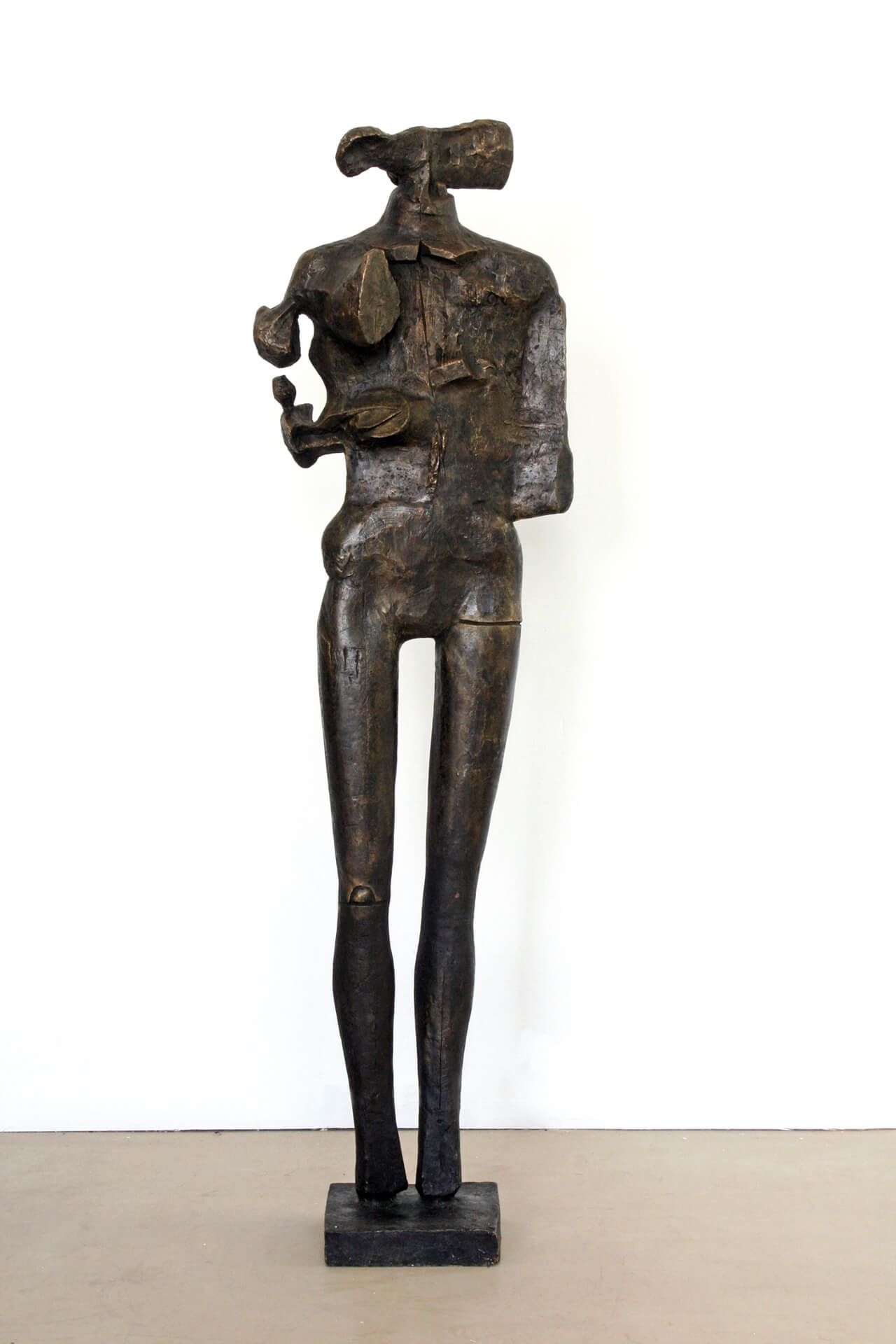
THE EXHIBITION IS A TRIBUTE TO THE OUTSTANDING SCULPTOR ADOLF RYSZKA, WHO IS UNQUESTIONABLY AN ICON
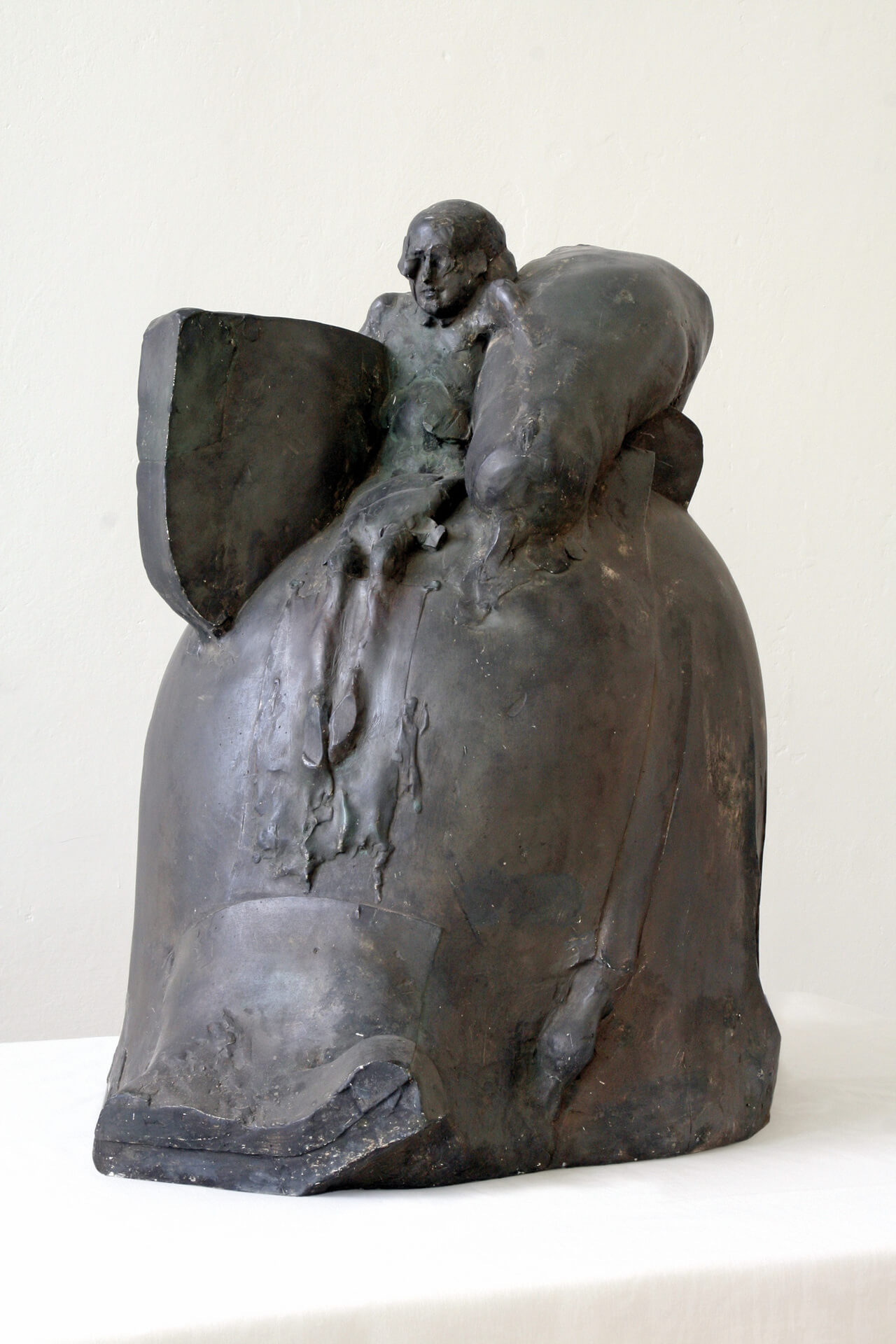
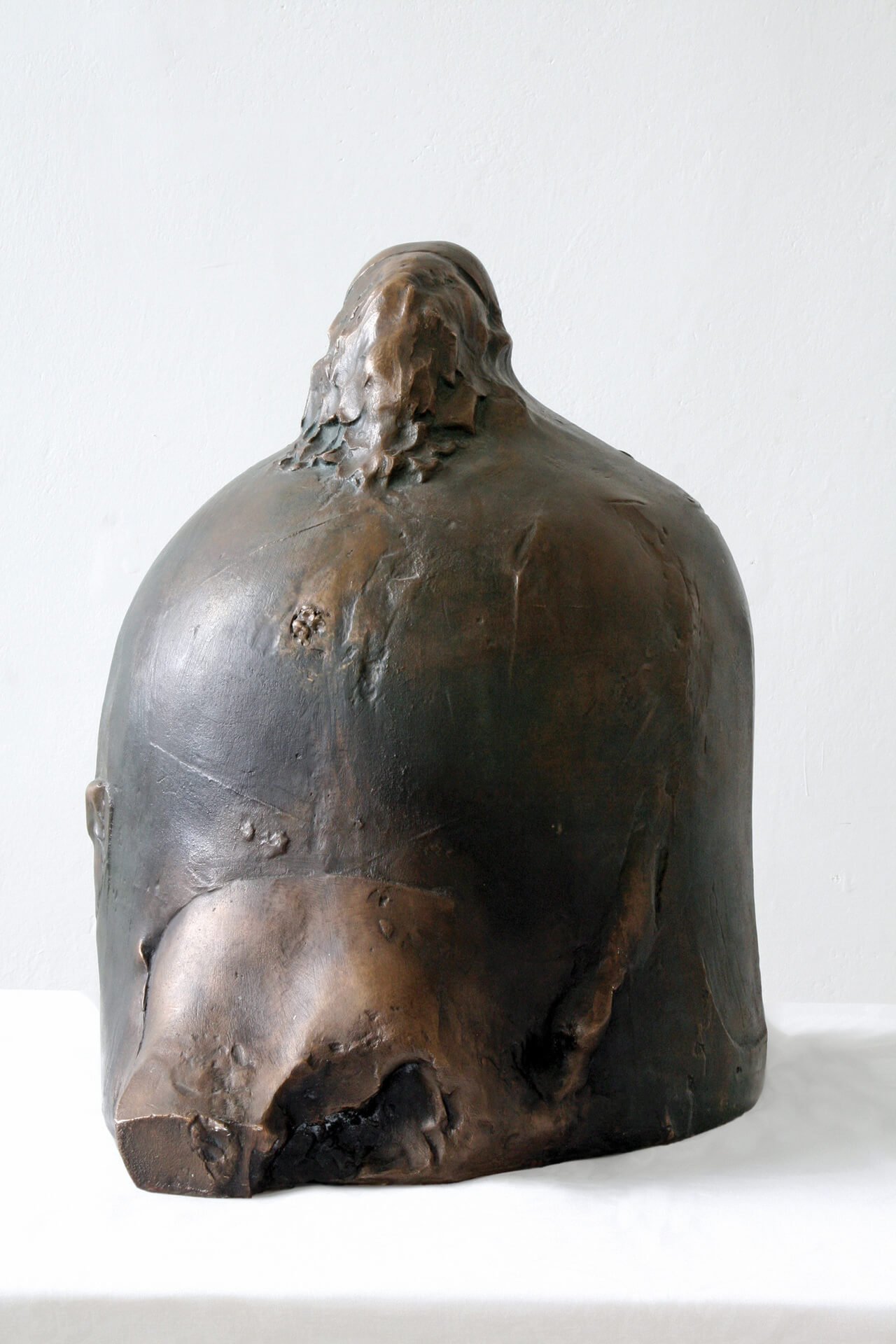
His works are simultaneously monumental and intimate. They carry an extraordinarily emotional charge, whilst remaining mysterious and poetic. Ryszka had unparelled workshop skills, a strong understanding of form and an exceptional respect for the medium he created in. An important yet, little-known part of Ryszka’s artistic activities are his gouaches, watercolours, drawings and prints. All executed with great tenderness. Ryszka was a key influence to many outstanding artists, and his independence and individuality made his creative output consistently impervious to the passage of time.
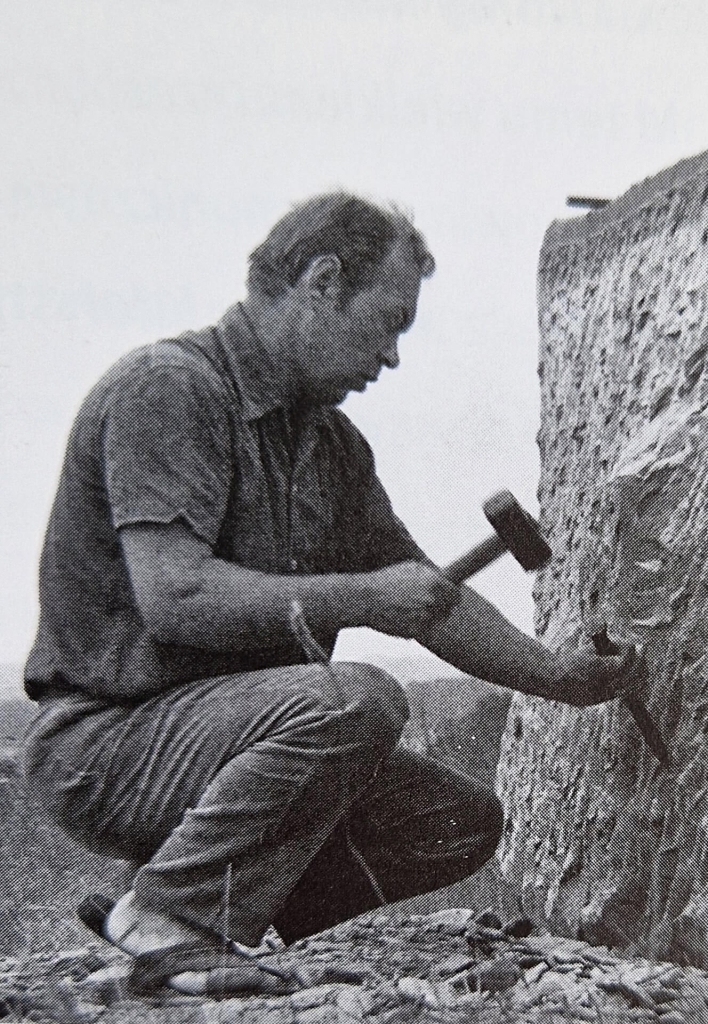
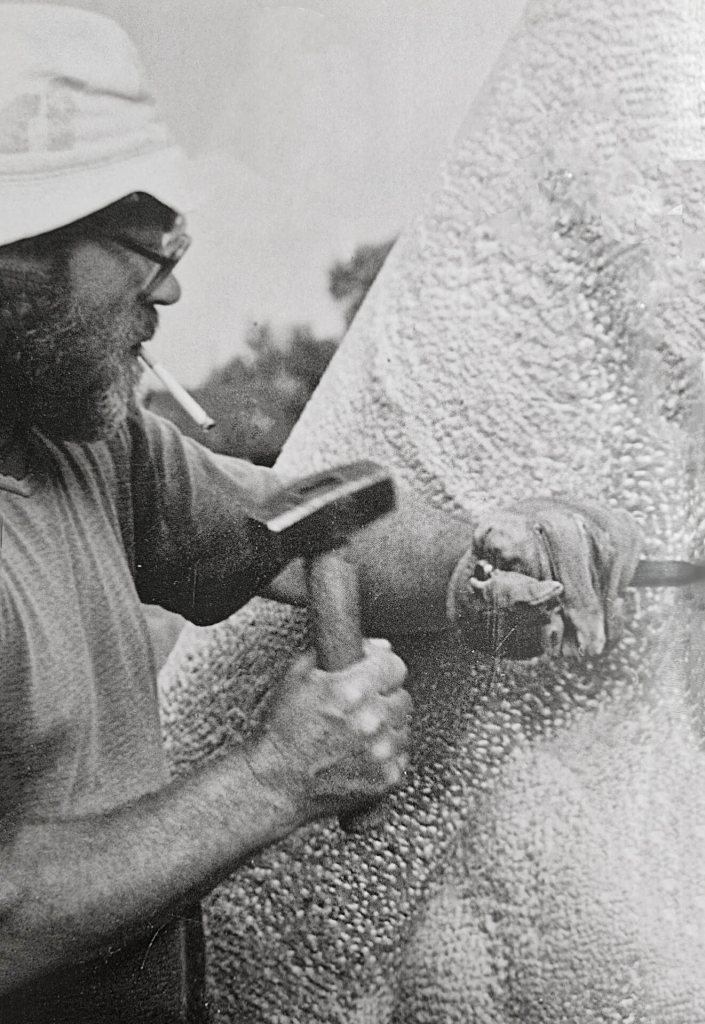
The exhibition presented at Rzeczna Art Gallery, has been designed to allow the viewer to immerse themselves in the world of Adolf Ryszka, learn about his diverse artistic achievements and appreciate the importance of the sculptor for not only Polish but global art as a whole. The exhibition includes works representing different stages of the artist’s career and the major undertaken themes, which are arranged in the form of cycles. Each cycle is represented by a select group of sculptures, diverse in form and materials.
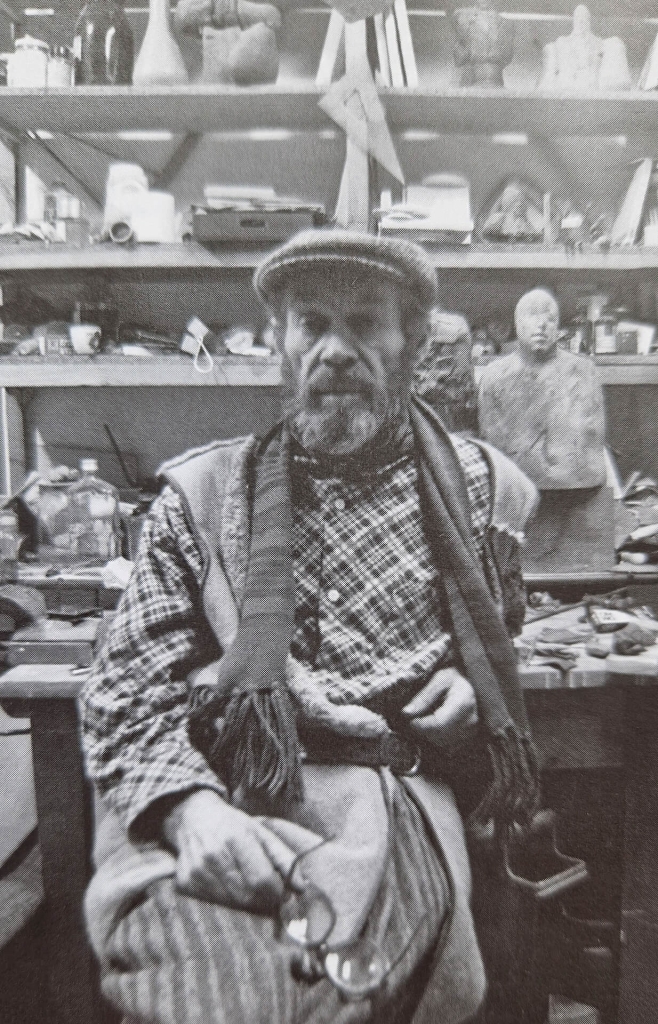
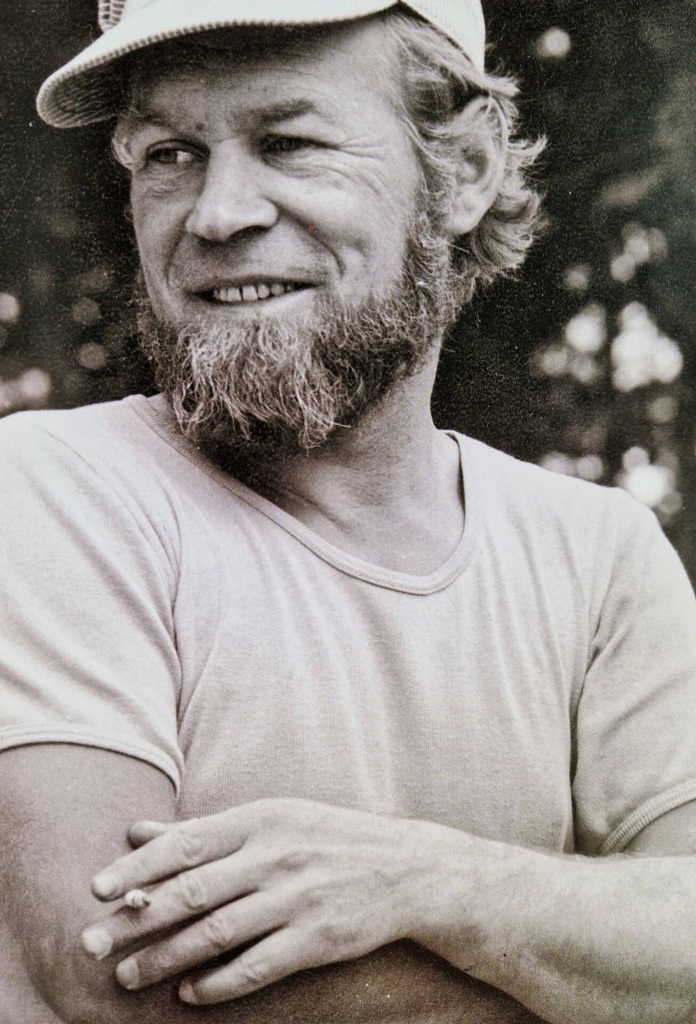
The aim of this exhibition is to show the mastery of the sculptor’s craft. Showcasing his unparalleled skills, imagination and sensitivity. As well as the outdoor aspects of these objects created by Adolf Ryszka during sculpture symposiums. Resulting in monumental works that remain in a symbiosis with nature, bringing a new quality to their intimate relationship with the landscape.
Gallery
About the artist
Prof. Adolf Ryszka was born on 5.02.1935 in Popielów near Rybnik, and lived until 28.04.1995. From 1953 to 1957 he was a student at the High School of Fine Arts and Technology in Zakopane. Then, from 1957 to 1962, he studied at the Department of Sculpture of the Academy of Fine Arts in Warsaw in the atelier of Professor Jerzy Jarnuszkiewicz. From 1965 he was a member of the Association of Polish Artists and Designers (ZPAP), and from 1970 a member of the European Sculpture Symposium, also being on the Board of this association. In 1980-1982, he was chairman of the Art Council of the Sculpture Section of the ZPAP Main Board. From 1983, he headed the Department of Sculpture at the Faculty of Fine Arts of the Nicolaus Copernicus University in Toruń. He was awarded the title of professor in March 1995. A participant of individual and collective exhibitions, sculpture symposiums, creator of monuments and recipient of many awards. He continues to live on in his many works which are on display in galleries, museums and private collections.
Curatorial text: Dr Jarosław Pajek, Centre of Polish Sculpture in Orońsko.
Information
Date
09.03.2024 — 28.02.2025
Location
Rzeczna Art Gallery
The Rybnik Centre for Art Education
Rzeczna 1 street, 44-200 Rybnik
Duration
± 2 hour/s:
Curator
dr Jarosław Pajek
Cooperation
Centrum Rzeźby Polskiej w Orońsku
Production
Rzeczna Art Gallery | P.W TK-BUD Michael Tkocz | Teatr Ziemi Rybnickiej | Vison.pl
Adolf Ryszka’s works are the property of Anna Ryszka-Zalewska. Rzeczna Art Gallery expresses its gratitude to the Master’s heir for the kindness shown while working on this exhibition