
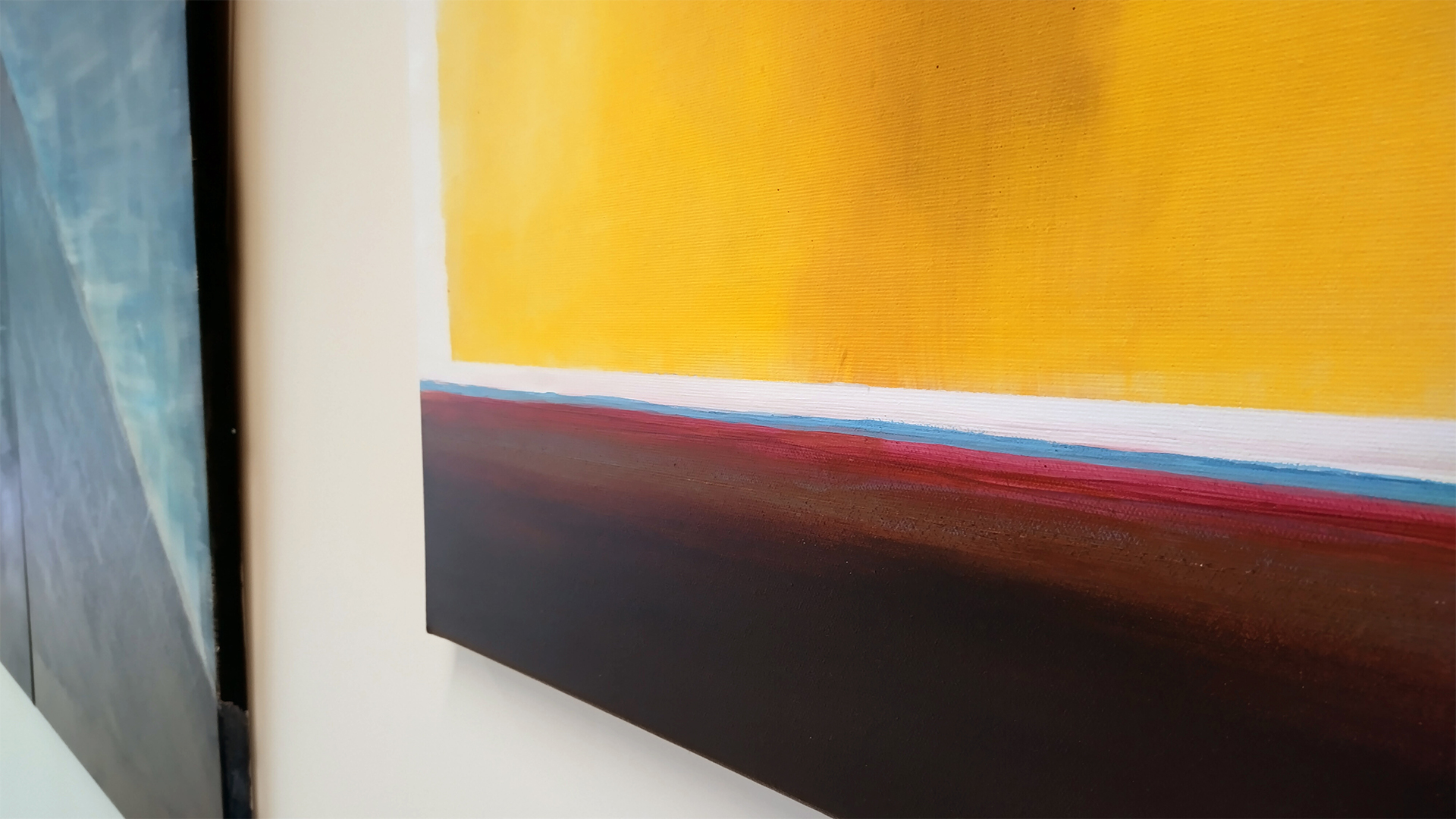
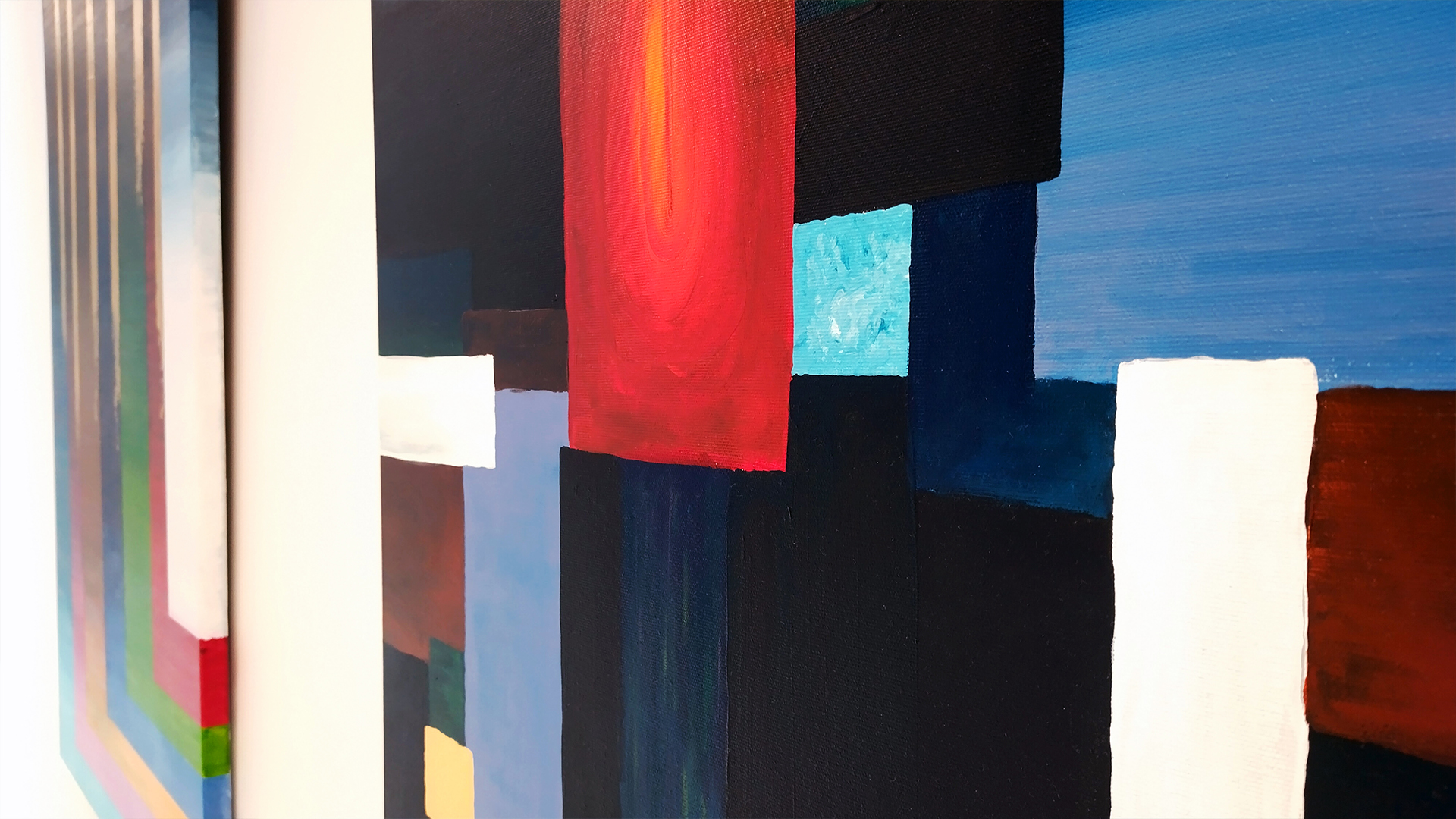
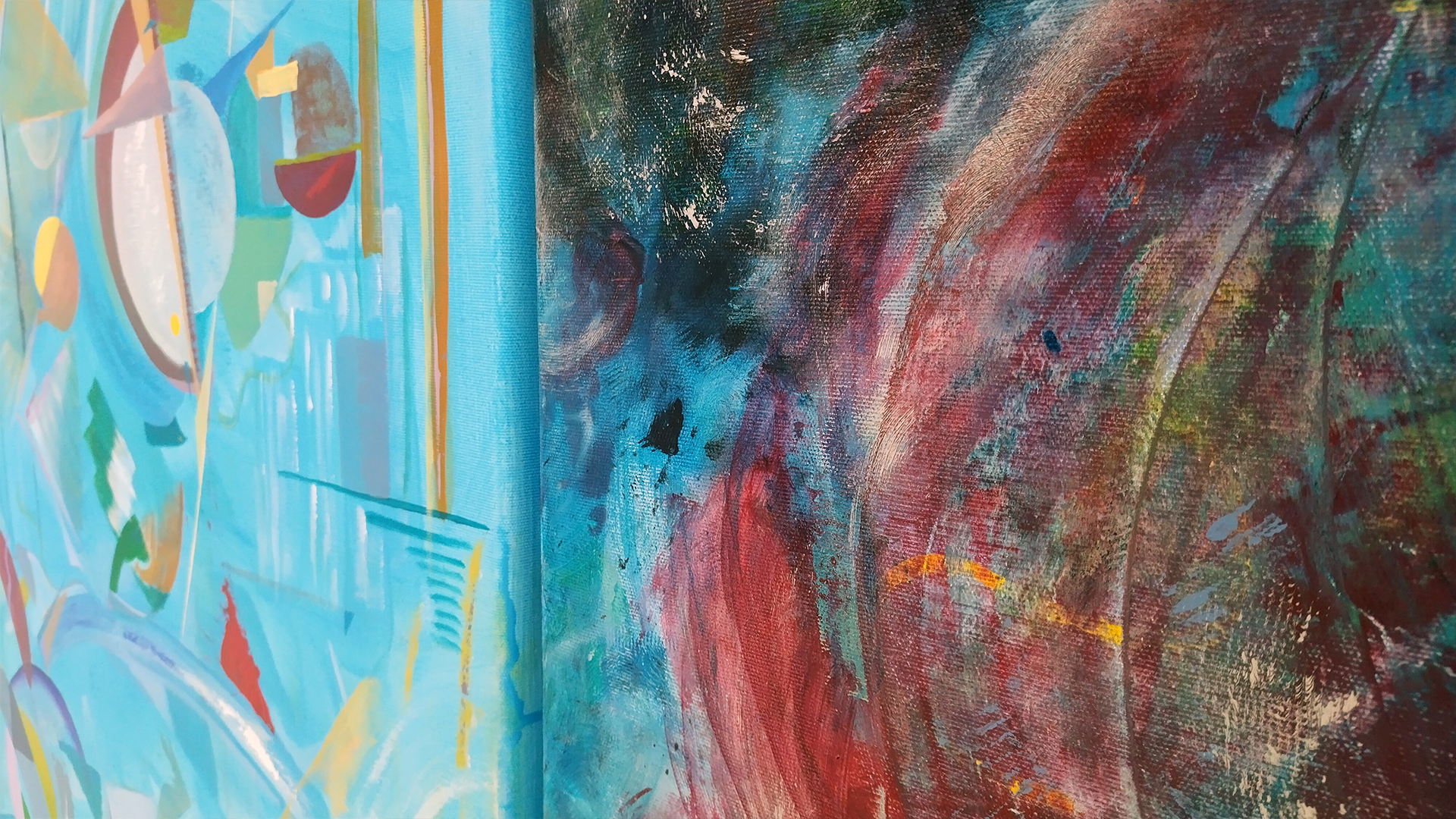
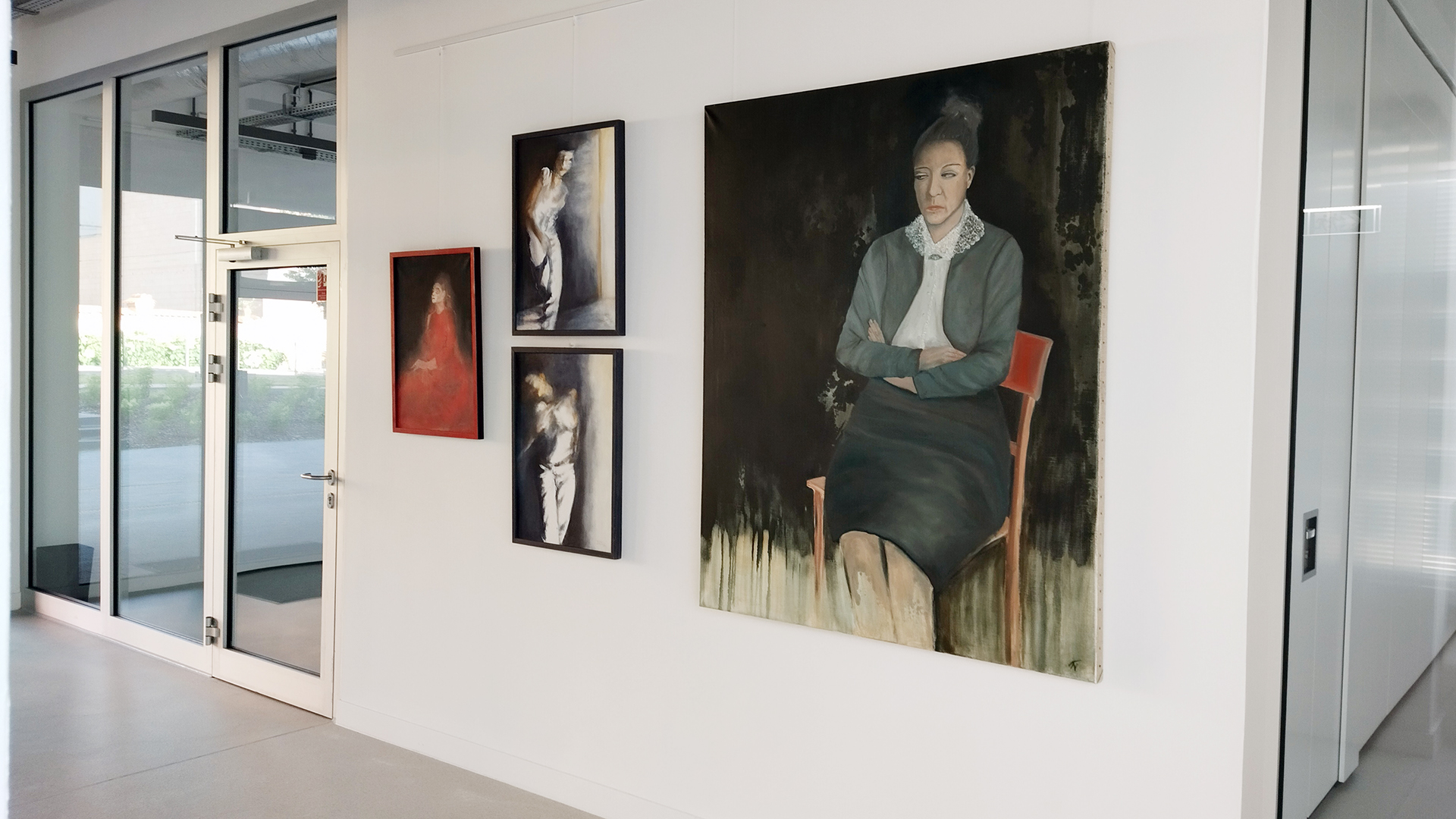
A cycle of twenty paintings in the 100×70 cm format, conceived from classical music concerts. Every painting has its own programme – a set of specific pieces, composed by particular composers, performed with the active participation of Maria Strzelczyk on a given day.
On a canvas, with the acrylic technique, the artist and violinist captured her visions, experiences as well as direct feelings. Each painting symbolizes the deep interpenetration of the arts and their fusion in time and space.
About the artist
IG: @mari.drafi
Violinist, serving as the deputy leader of the second violins at the National Symphonic Orchestra of the Polish Radio in Katowice (NOSPR). Abstract and intuitive painter. The starting point for her paintings is color (often arising from the timbre of sound, harmonies, and music) and movement.
Her artistic path began at the Public Music School of the First Degree named after Janina Garść in Lubliniec. During this period she discovered her passion for the arts. She continued her study at the Public Music School of the First and Second Degree named after Fryderyk Chopin in Opole. She is a recurrent winner of violin competitions in Poland (e.g. 3rd place at the VII Nation-Wide Forum of Young Instrumentalists in Rybnik, 2011), as well as international competitions. She’s an active chamber musician and soloist (performed, among others, at the Polaco de Musica Festival in Guayaquil, Ecuador). She graduated from the I.J. Paderewski Academy of Music in Poznań in the violin class of Professor Marcin Baranowski, as well as from the Poznań University of Technology in the Faculty of Management.
She approaches life with enthusiasm and curiosity. Both of those she develops by numerous travels and exploring diversity – of thought, perspective, scientific fields, culture. For four years now, she completes her musical expression with painting. Her paintings were auctioned for aid to Ukraine in Wrocław in 2022 and were presented during the High Art Festival in Bytom in 2022 and 2023. In the fall of 2023, her first solo exhibition of paintings took place at the Gallery of the Cultural Center in Lubliniec.
Gallery


Information
Date
05.10.2024 — 31.10.2024
Location
Galeria Sztuki Rzeczna
Rybnickie Centrum Edukacji Artystycznej
ul. Rzeczna 1, 44-200 Rybnik
Duration
± 0,5 hour/s:
Produkcja
Galeria Sztuki Rzeczna
About the project:
The moment we resign ourselves of life’s little pleasures marks the beginning of the end. Time, confined within four walls, starts to slow down and stretch simultaneously through repetitive actions. Turning the light on, turning the light off. Soon even that will stop being our input. The doors will also lead nowhere. Then, darkness will emerge from the corners. It will run rampant. Seize and consume. No one knows how long this will last and how much dust will slowly settle on the furniture. But it will eventually come, the eternal stillness. We will turn off the lights. We will cover the mirrors. No wind will ever carry away this scent.
About the author:
Katarzyna SZWARC
Graphic designer, freelancer, photographer.
Graduate of Art Institute of the University of Silesia in Cieszyn and the Academy of Photography in Cracow.
Currently she’s a student of photography at The Institute of Creative Photography in Opava.
She’s a member of the student photography collective Šedá Zóna.
What does the system observe? How does this act of observing reveal the system itself?
Almost 40 million photos are kept at the Institute of National Remembrance. These include images of matters important for Polish history, as well as evidence for the banality of human actions, petty crime or insubordination. Their common thread is violence. Violence expressed by the gaze of an agent of the system.
From the perspective of the apparatus of oppression, everything is of interest and importance; nothing is insignificant enough to be left out. Just as with all matters tied to memory, here we will also stumble upon what is denied and disturbing. That’s why the excluded and unsaid become such an incredibly important lead, because what’s left undocumented may be simply dangerous.
This exhibition is another to ask questions about history, memory and our past. The book titled “How to look natural in photos” by Beata Bartecka and Łukasz Rusznica is part of the presented exhibition.
ŁUKASZ RUSZNICA
Łukasz Rusznica (1980) – photographer and curator, in his artistic practice he mostly focuses on photography books. He runs the publishing company Sun Archive in Wrocław.
TOMASZ STEMPOWSKI
Tomasz Stempowski (1971) – historian and IPN archivist, author and co-author of numerous articles and publications, including: Sandy roads of Carpathians. Photographs by Captain Karol Angerman from the years 1940-1945, Collection of photographs from the Main Commission for the Investigation of Crimes against the Polish Nation, Polish Roads through Switzerland. The fate of the soldiers of the 2nd Infantry Rifle Division 1940–1945 in photographs from the collections of the Polish Museum in Rapperswil, The Siege of Warsaw in the photography of Julien Bryan, The career of SS-Oberscharführer Hermann Baltruschat 1939–1943. Photographic album of an Einsatzgruppe and Gestapo officer in the Polish territories annexed to the Reich, Law in Film.
He writes a blog about historical photography – fototekst.pl
Curator: Łukasz Rusznica
Texts accompanying the exhibition: Tomasz Stempowski, Łukasz Rusznica
Translation: Aleksandra Szymczyk
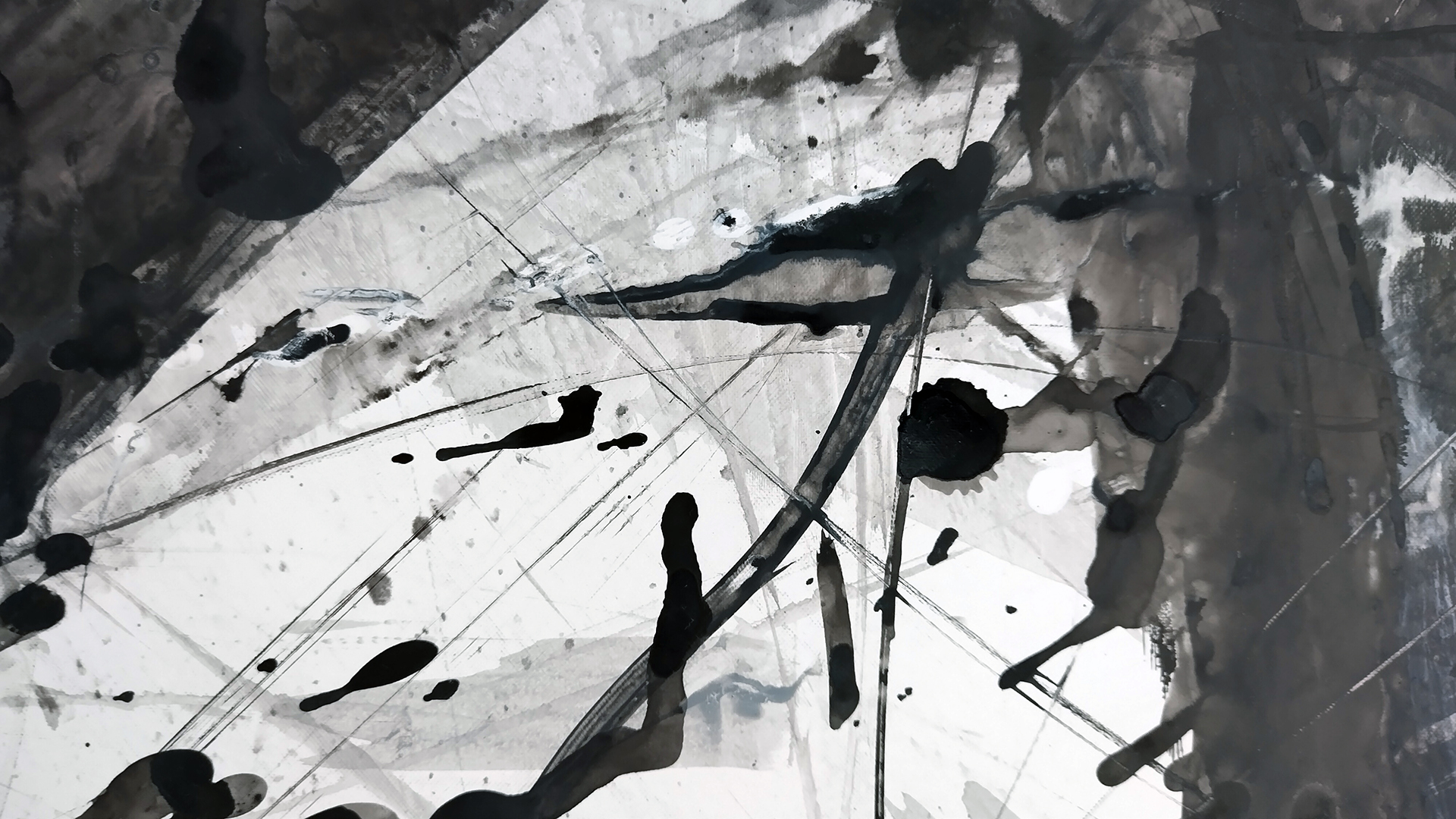
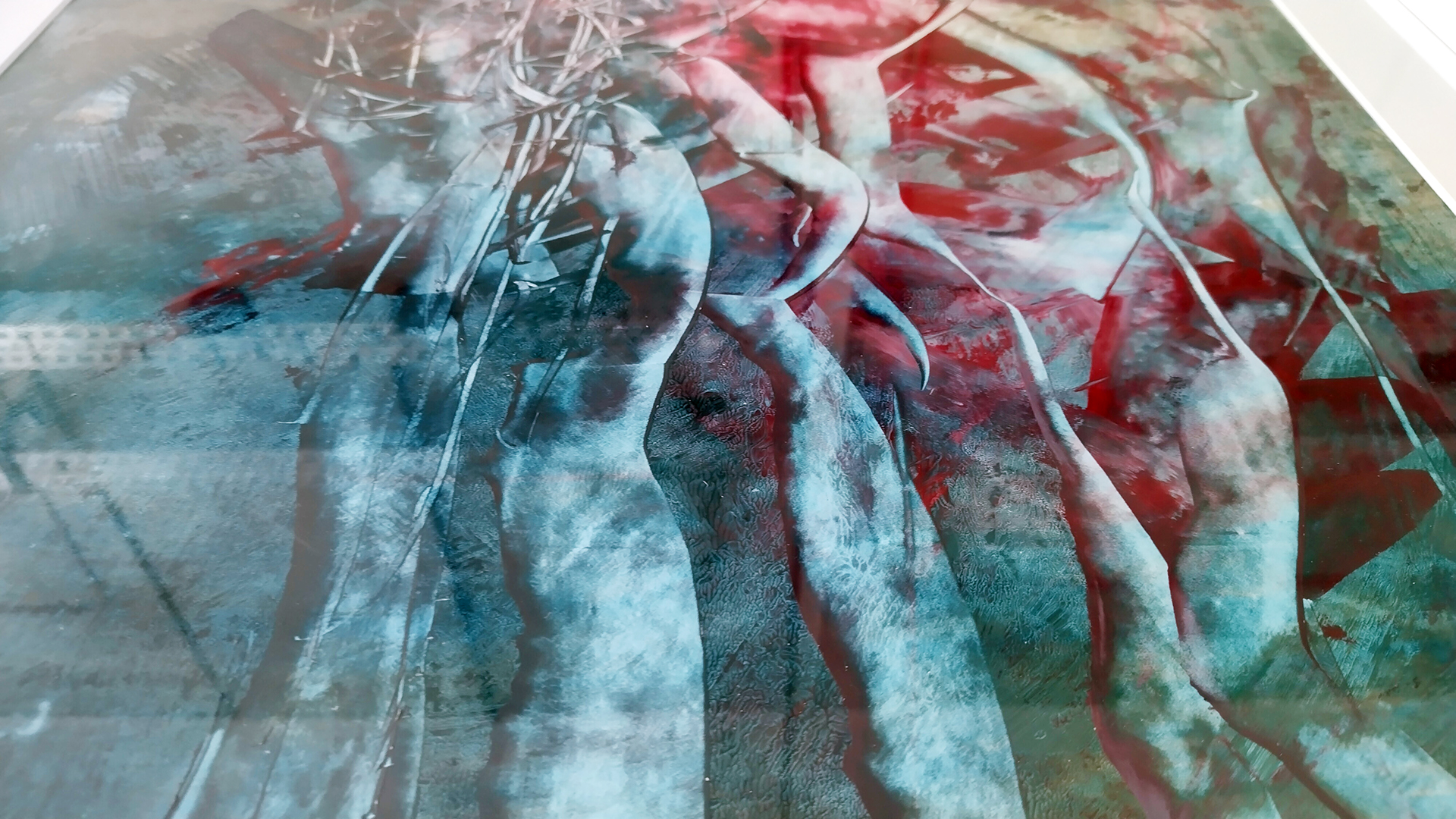
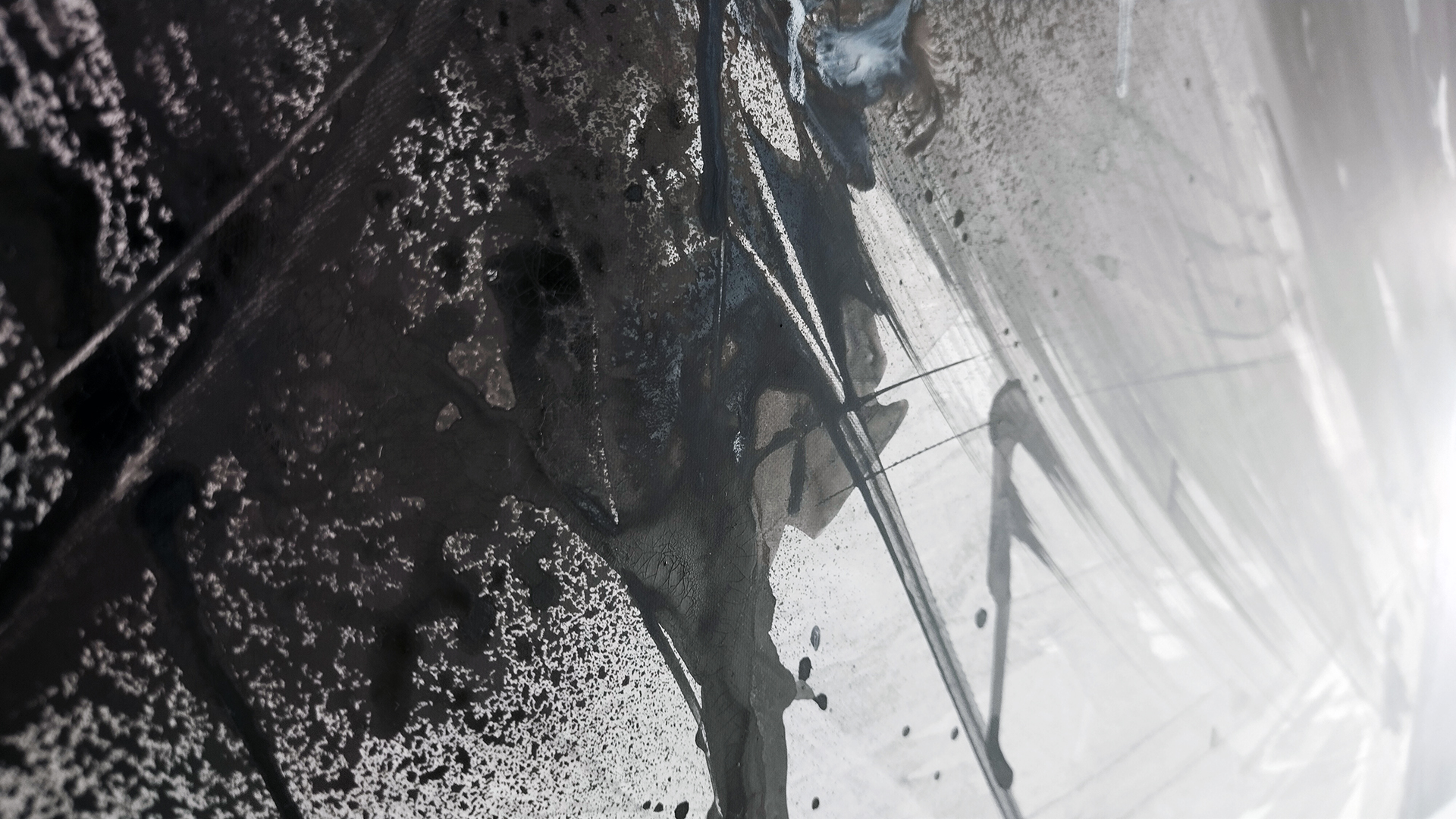
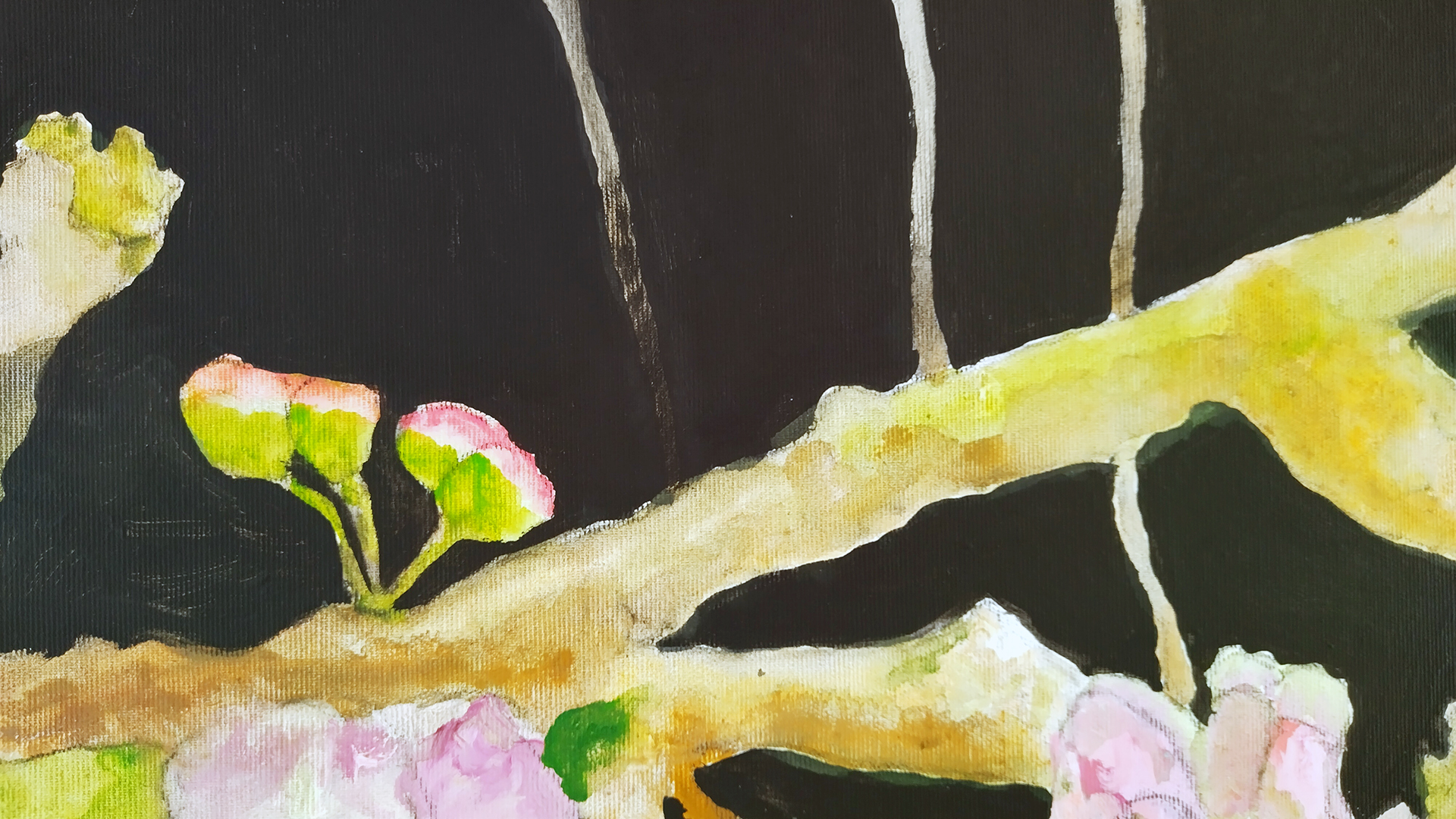
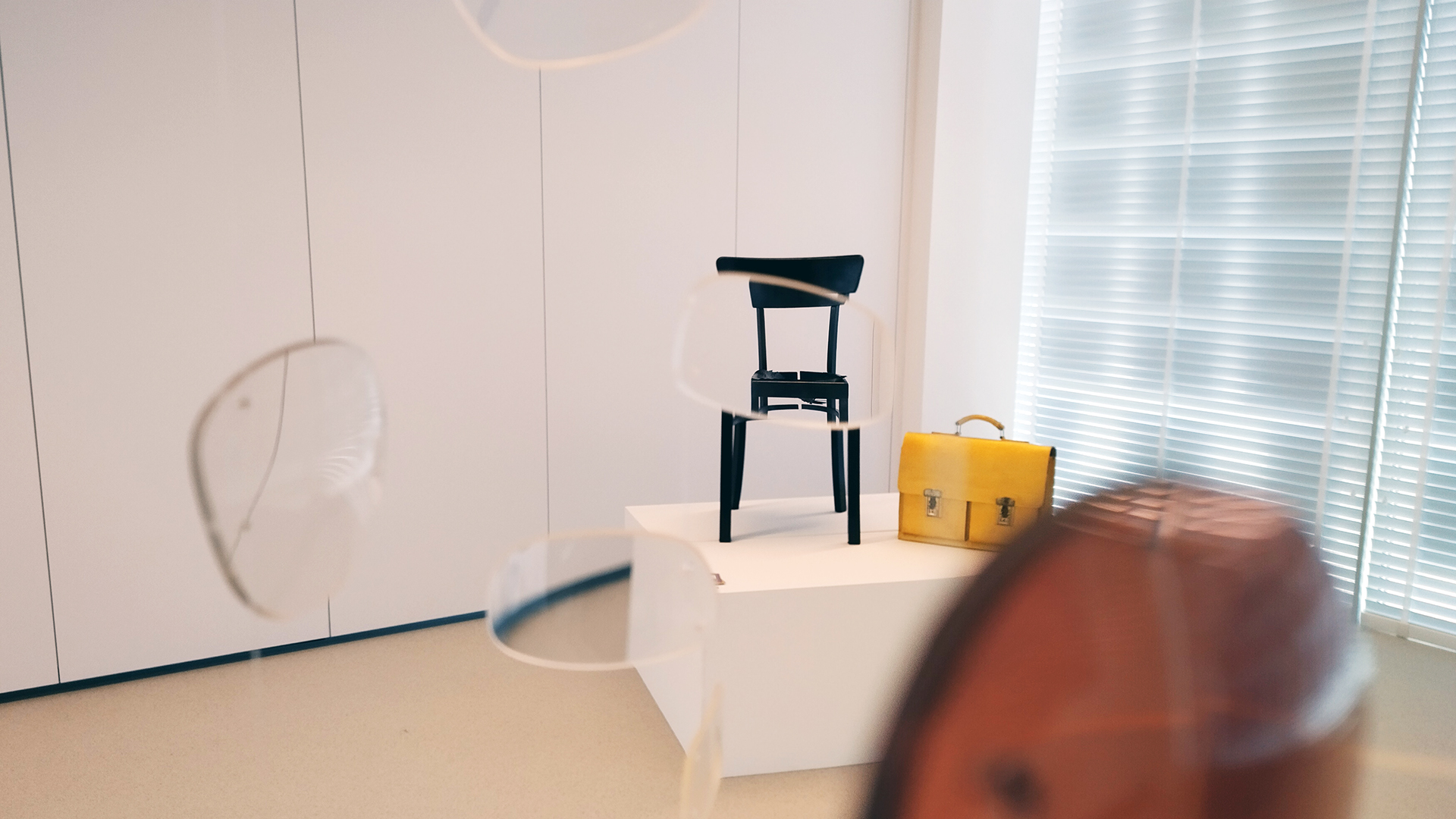
Painting, photography, sculpture, installation… Just as different techniques, diverse personas come together to form a multidimensional mosaic, which we invite you to experience within the walls of the Rzeczna Gallery in Rybnik from June 14th to August 24th, 2024.
The genres and media are in relation to the subjects, and the viewers will be in relation to the artistic statements. They are woven by the individual language of stories about the world around us, but also the micro-worlds of the artists themselves.
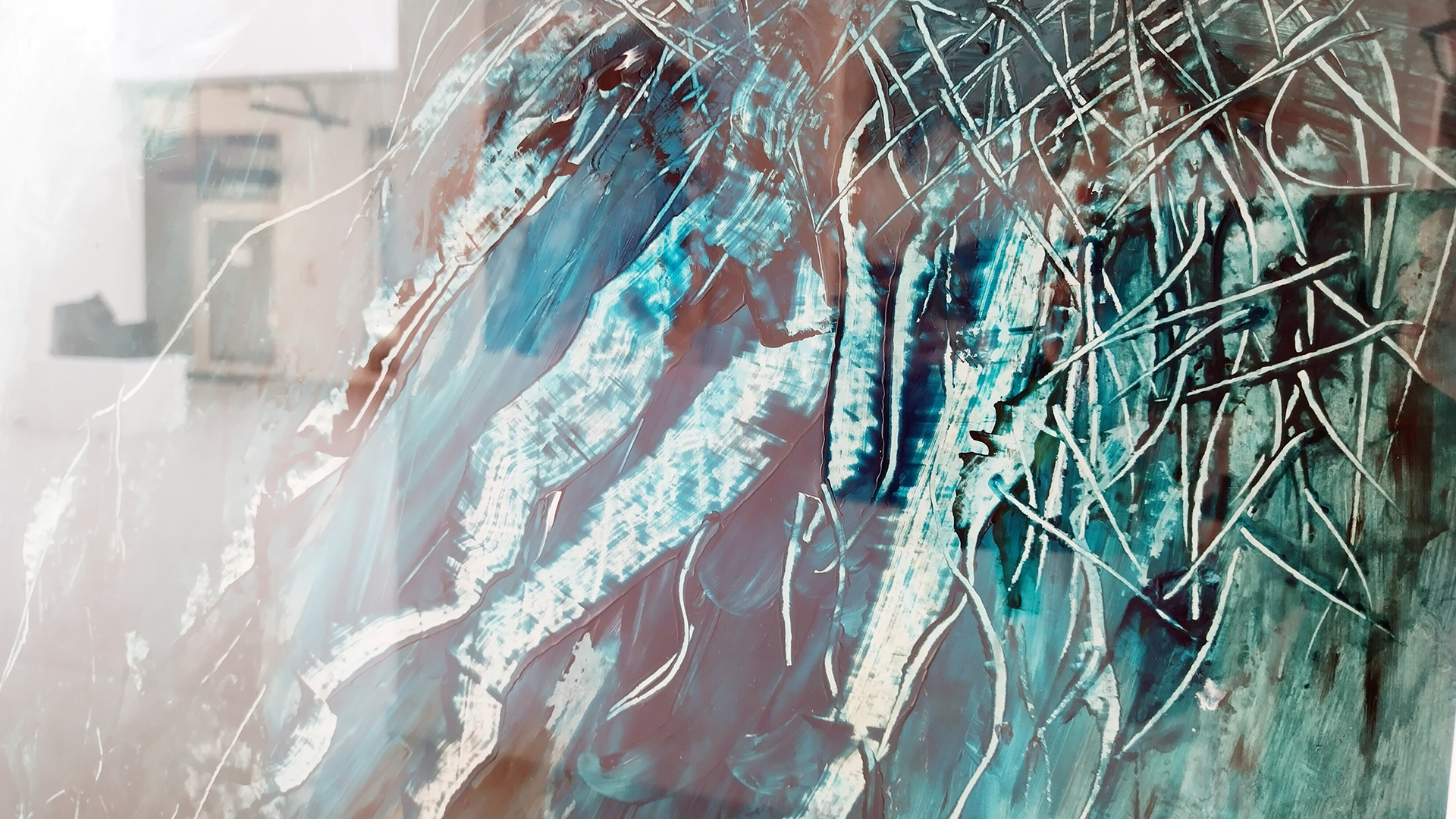
The group exhibition of artists from Dorsten – a partner city to Rybnik, accompanying the 30th anniversary of the friendship between the cities – is an occasion to see the works of artists from western Germany. It will also be an opportunity to personally meet the artists themselves. Here are their names: Alex Fichtner, Doris Gerhard, Frank Hesse, Tanja Nowak, Ingrid Saalfeld, Claudia Schnitzler, Slavica van der Schors, Brigitte Stüwe.
ABOUT THE ARTISTS
Ingrid Saalfeld, Colors float – shapes appear – the imagination lives
Born in Gelsenkirchen-Buer in 1955. She moved to Dorsten in 1982. Since 2001 she has been working with watercolor in the atelier of Slavica van der Schors. In the years from 2012 to 2020 she studied at IBKK Centre for Art and Design and in 2020 she earned a diploma from Prof. Ph. D. Qi Yang. Her works have been exhibited frequently in German galleries.
Brigitte Stüwe, NATUR_NAH
Born in 1963 in Bielefeld. In 1982 she graduated High School with a specialty in Landscape Gardening. She studied in Essen and Bonn. In Cologne she was working for an advertising agency. Since 1996 she has been an independent artist and designer in Dorsten. Since 2018 she’s been a member of the Art Council of the Gelsenkirchen Association. She has been an author of solo exhibitions and a collaborator of group exhibitions.
Slavica van der Schors
Slavica was born in 1949 in Serbia. She discovered painting in her youth. She studied painting in Luxemburg from Prof. Calteux, who later became Minister of Culture. For over 20 years, she has been teaching the techniques of watercolor, oil painting and acrylic painting in adult education centers in Wesel, Dorsten, Günne and Marl. She concentrates on people in her work. In the past 30 years she took part in many solo and group exhibitions in Germany, the Netherlands, Denmark, Luxemburg, France, England, Serbia and Romania.
Tanja Nowak, from the cycle Figurativ – Woman on chair
Born in Gelsenkirchen in 1974. She studied painting and graphics at IBKK Bochum. She took masterclasses from Prof. Piotr Sonnewend. In 2016 she earned a diploma in painting and graphics. She’s a member of the board of the Art Association VirtuellVisuell e.V as well as the International Artists Association e.V. BIK. She manages the place of artistic meetings for youth and children T.O.T. Lembecka. Tanja bases her work on old photographs from family albums, in want of giving a new meaning to what is forgotten.
Doris Gerhard, Kule
Born in Düren in 1952. Her artistic path led through studying textile design and working with materials, then painting and finally photography, in which she earned a diploma in 2014. Working in education and her experiences in the field of painting form her current view of art. For over 20 years she has been displaying her works at solo and group exhibitions.
Alex Fichtner, Survival in a tent: The Khero family in the Sheikhan Camp
Born in 1979 in Hersten. He was raised in the Ruhr region. He studied fine art and photography at FAdBK in Essen. He graduated with the title of Master of Arts from Prof. Stephen Paul Schneider. He studied journalism at FH Gelsenkirchen. He works for the press, for organizations and as an independent photographer, journalist and artist.
Claudia Schnitzler, To not remember
Born in Mettmann in 1970. She studied geography and sculpture in Bonn. She’s a member of the board of the Art Association VirtuellVisuell e.V. In her objects and installations she uses everyday materials, coming from the idea that even the most unnoticed mass product should be appreciated because it’s a result of creativity and Earth’s precious resources.
Frank Hesse, Spatial object-based play of light | Cosmic laboratories
Born in Essen in 1955. He studied architecture at TH in Dortmund and at Architekturführung mit Klaus Reymann in Krefeld. Professionally, he designs residential and commercial buildings, as well as hospitals. Since 2001 he has run his architectural design studio. He’s a certified therapist, and since 2021 a General Manager of Dorstener Kunstverein e. V.
Gallery




Information
Date
14.06.2024 — 24.08.2024
Location
Rzeczna Art Gallery
The Rybnik Centre for Art Education
Rzeczna 1 street, 44-200 Rybnik
Duration
± 0,5 hour/s:
Curator
dr Dominika Stach
Production
Rzeczna Art Gallery | P.W TK-BUD Michael Tkocz | Teatr Ziemi Rybnickiej
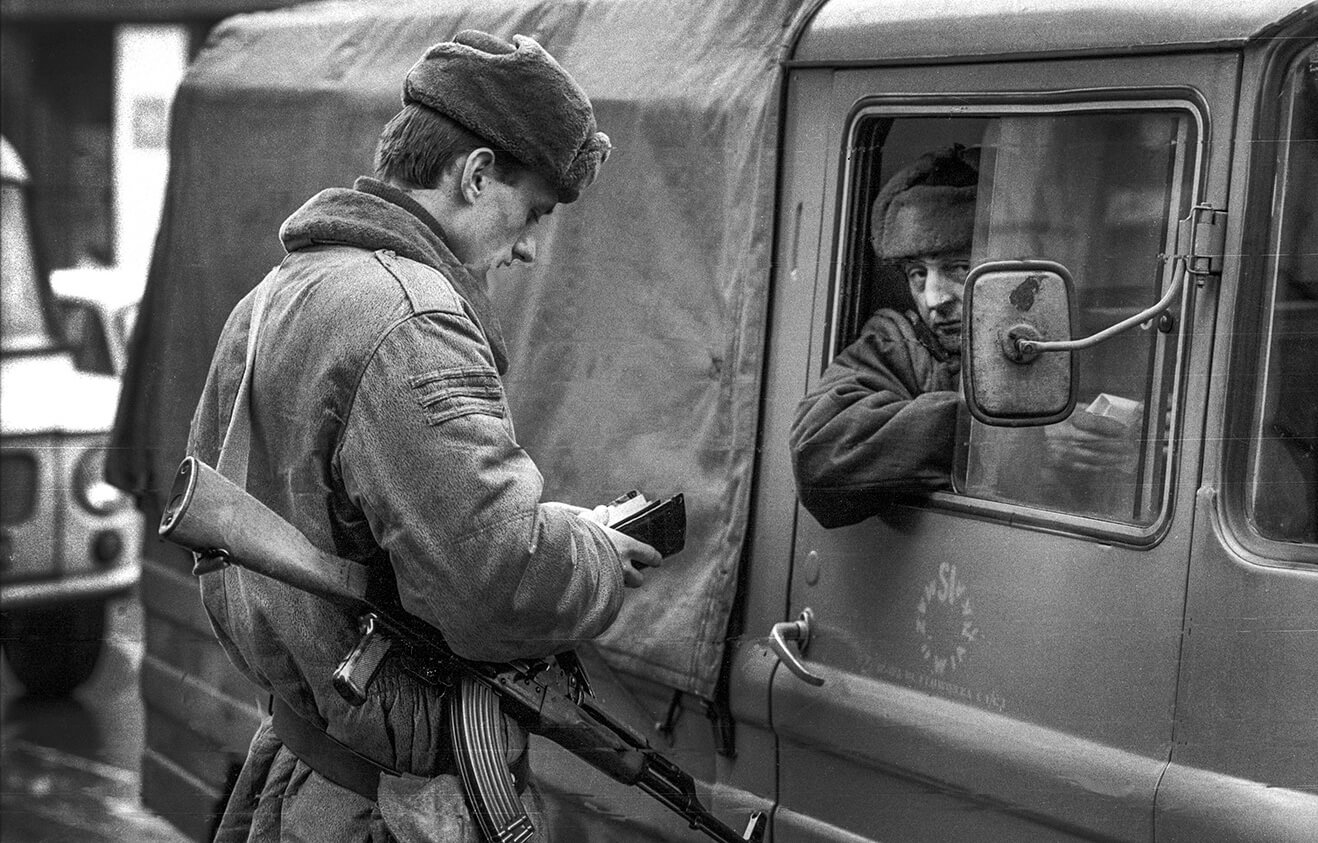
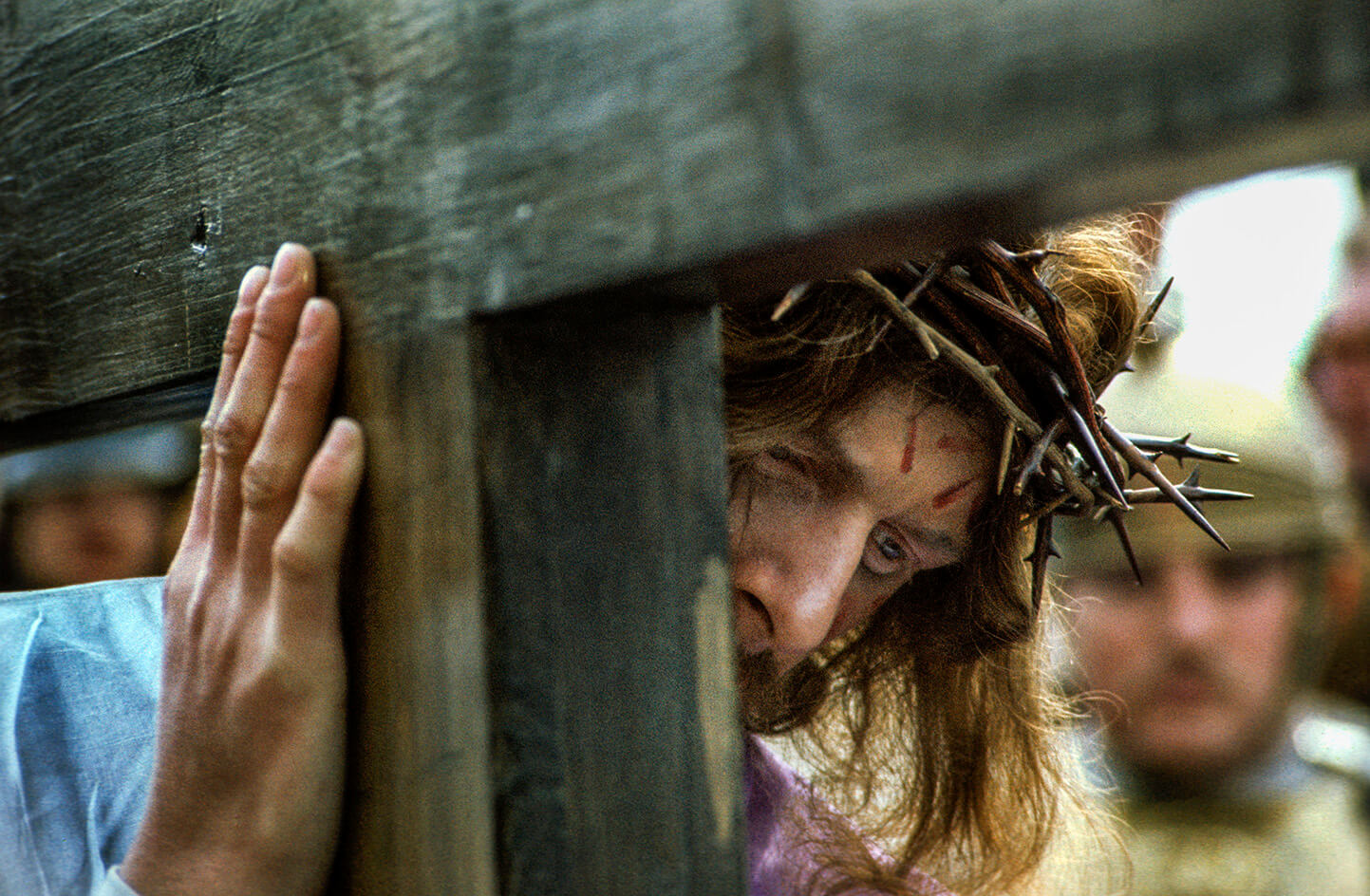
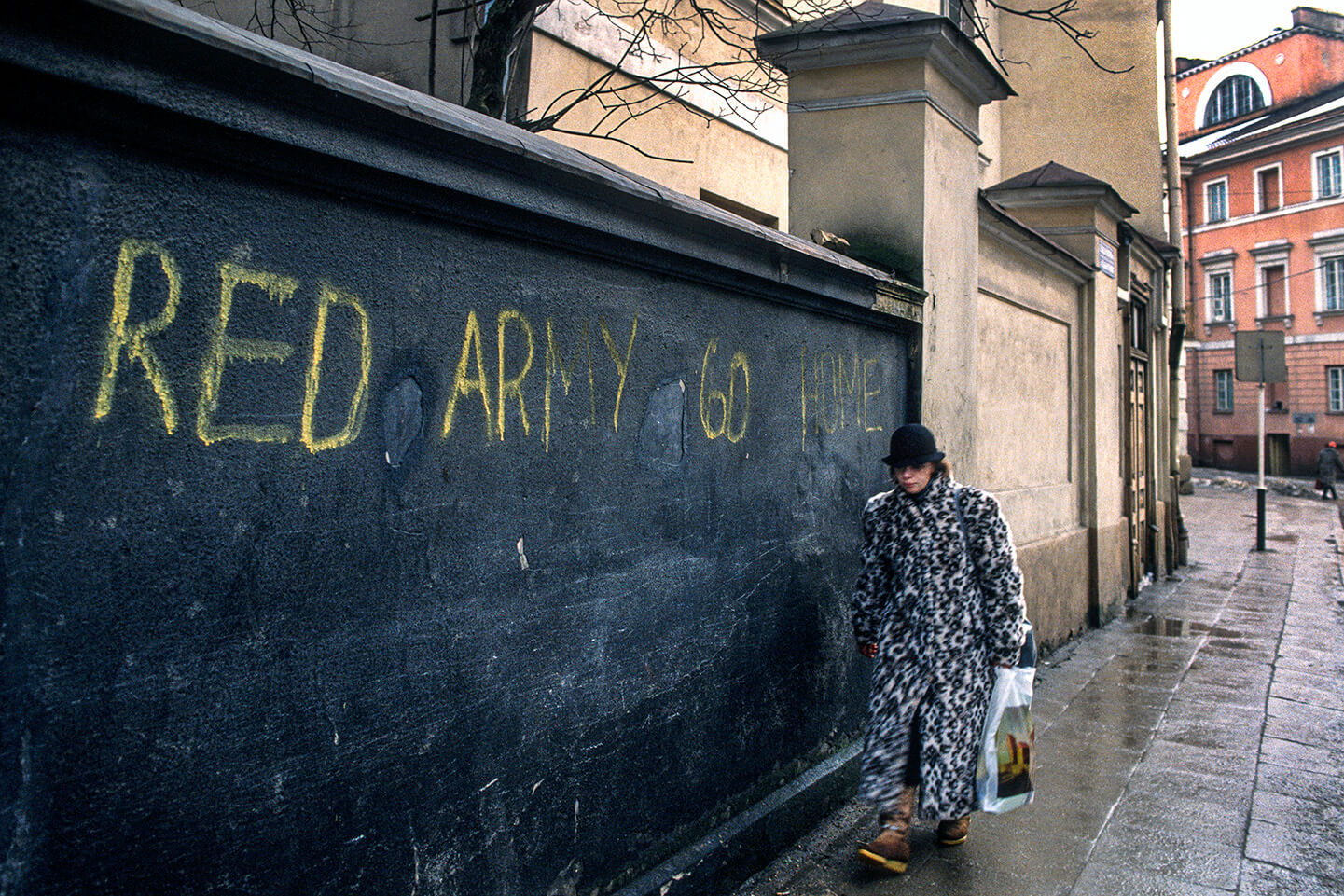
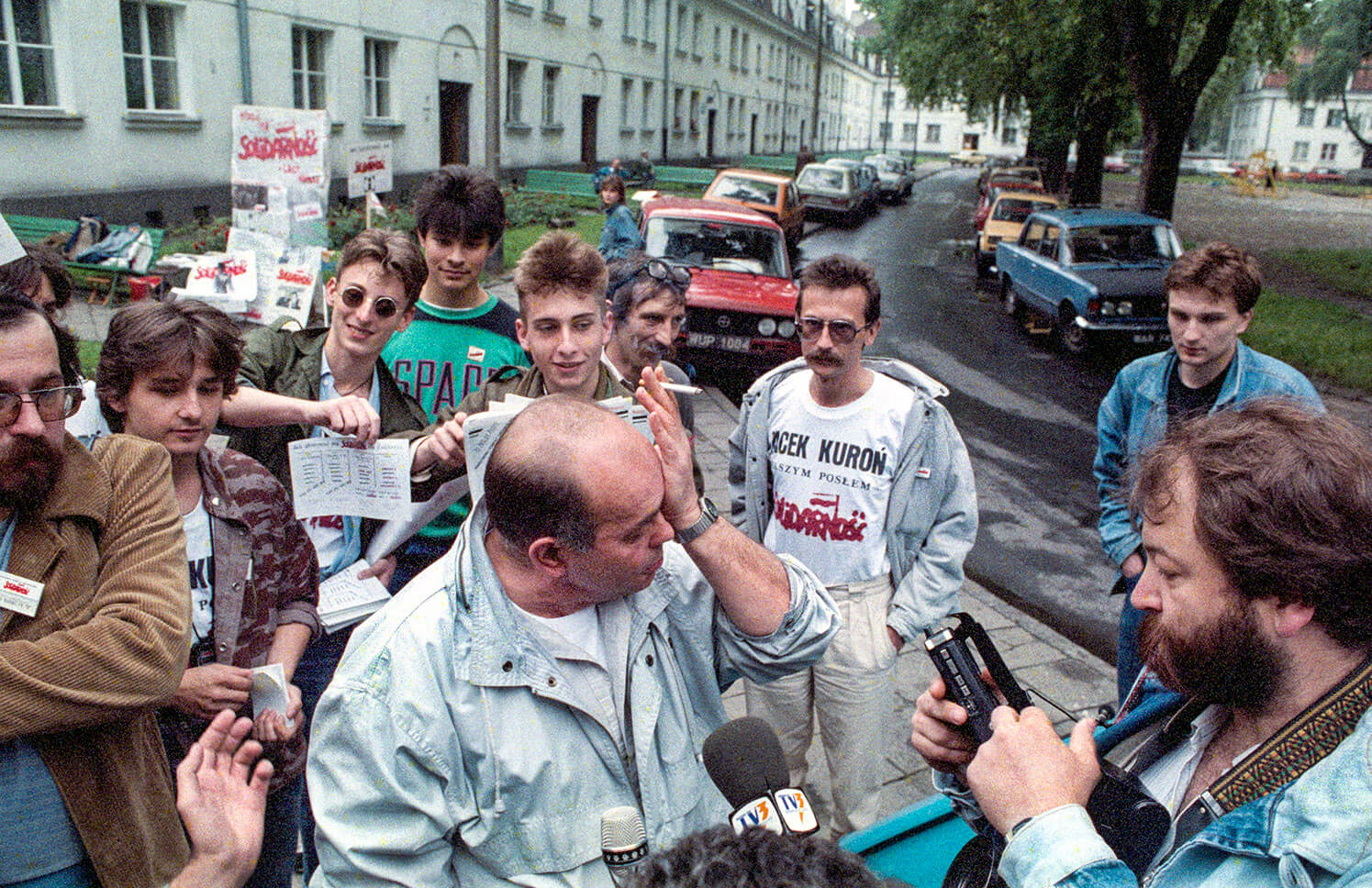
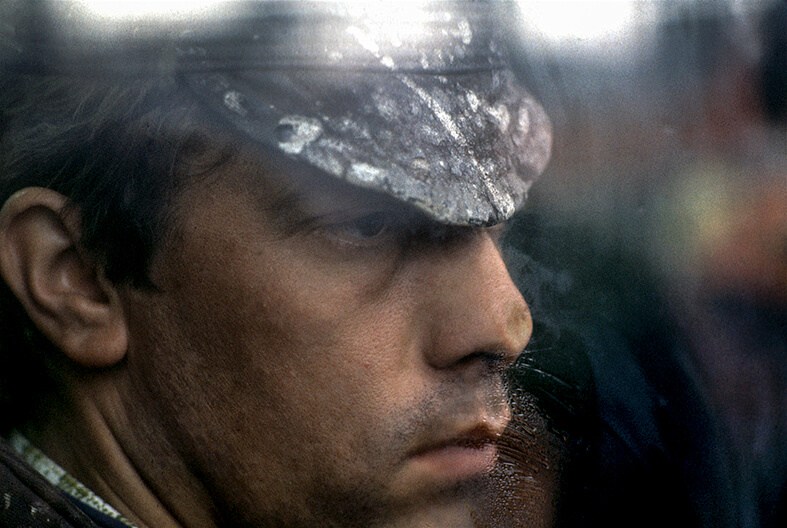
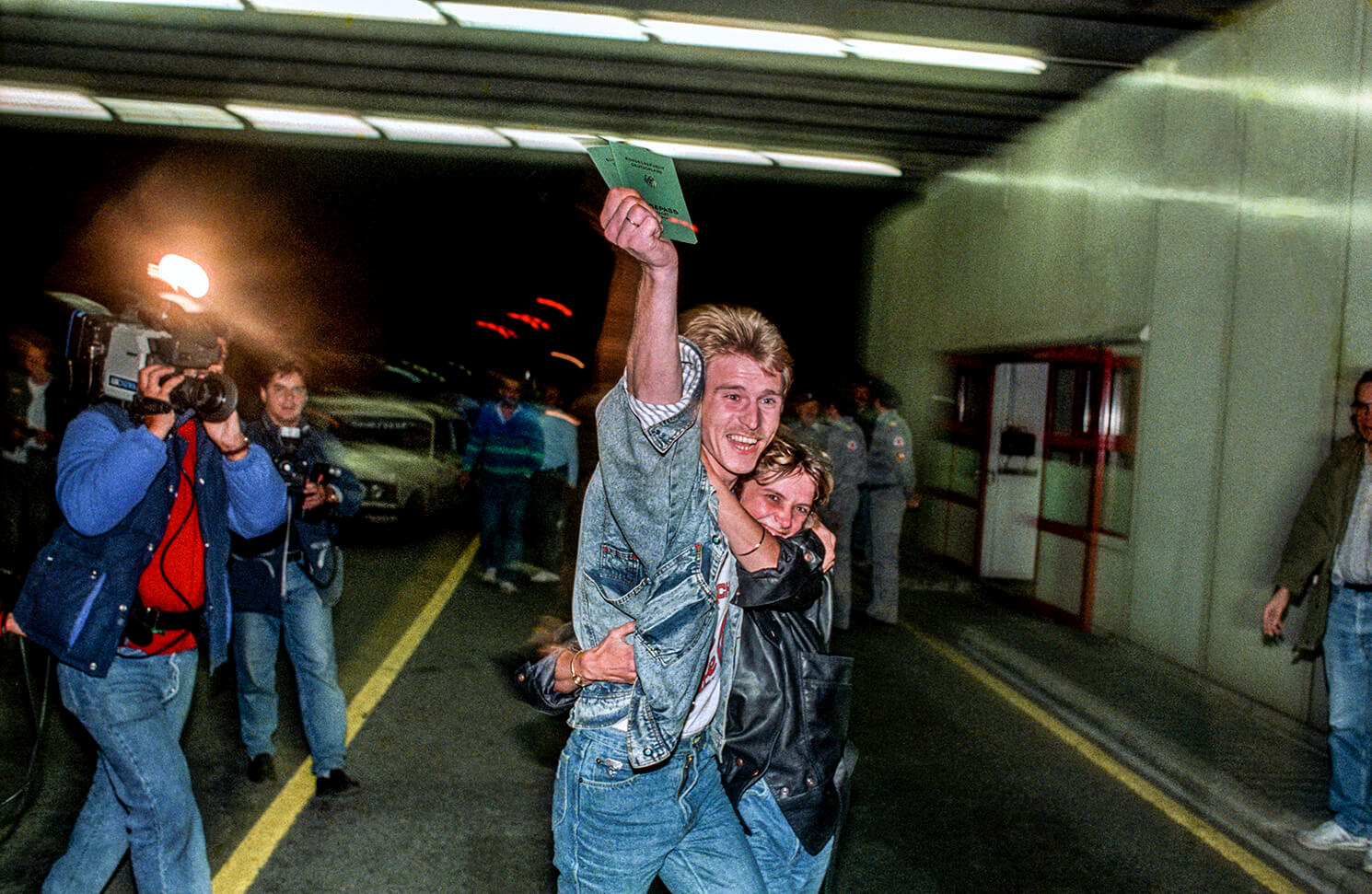
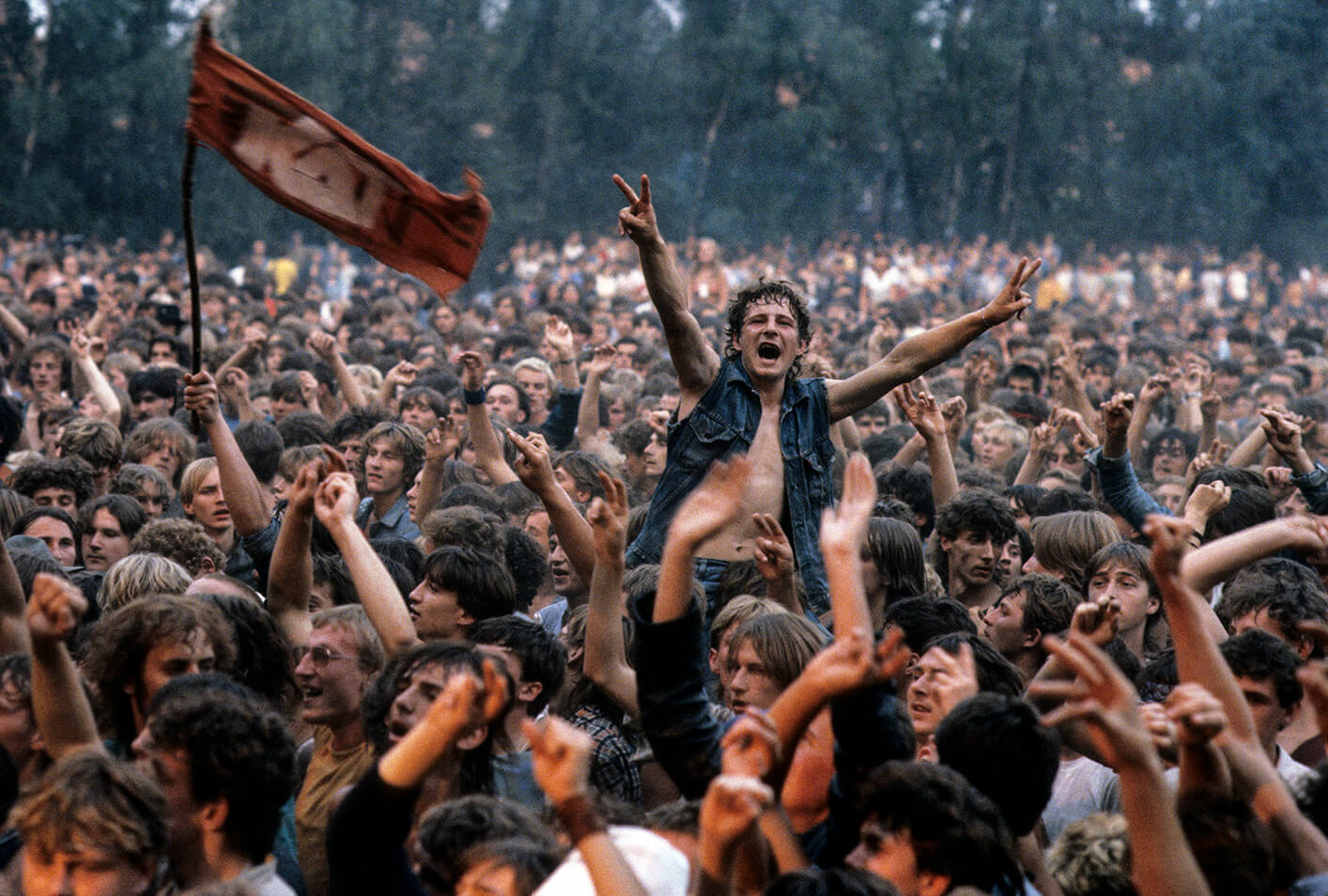
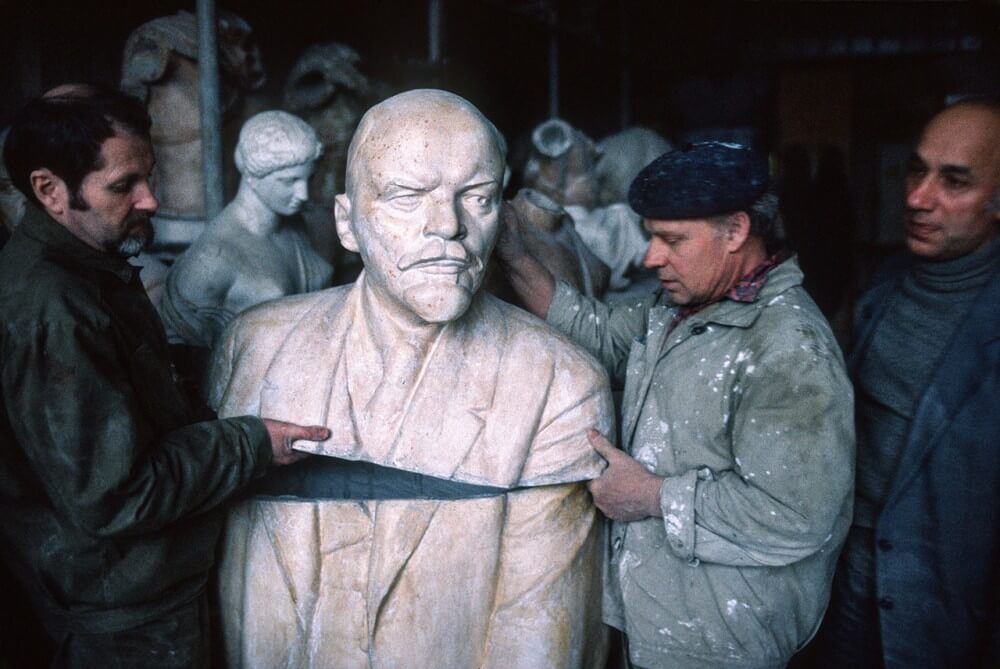
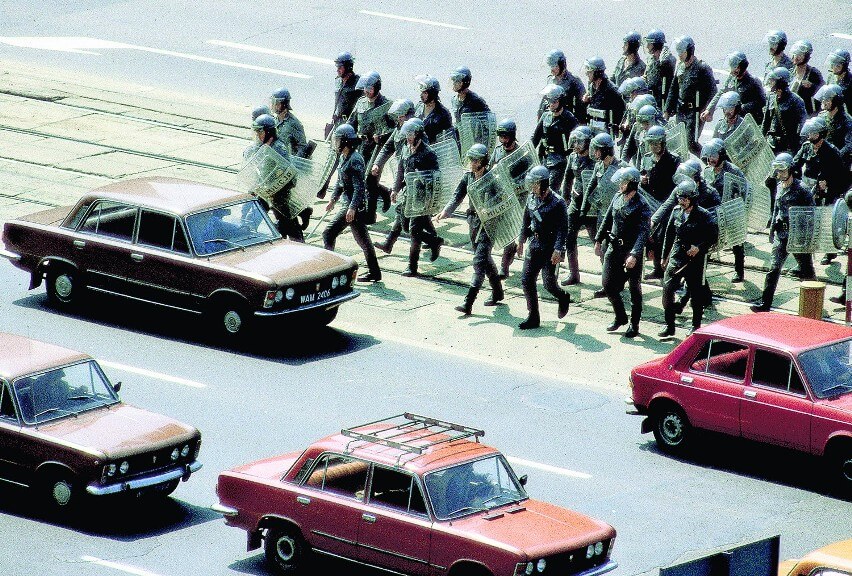
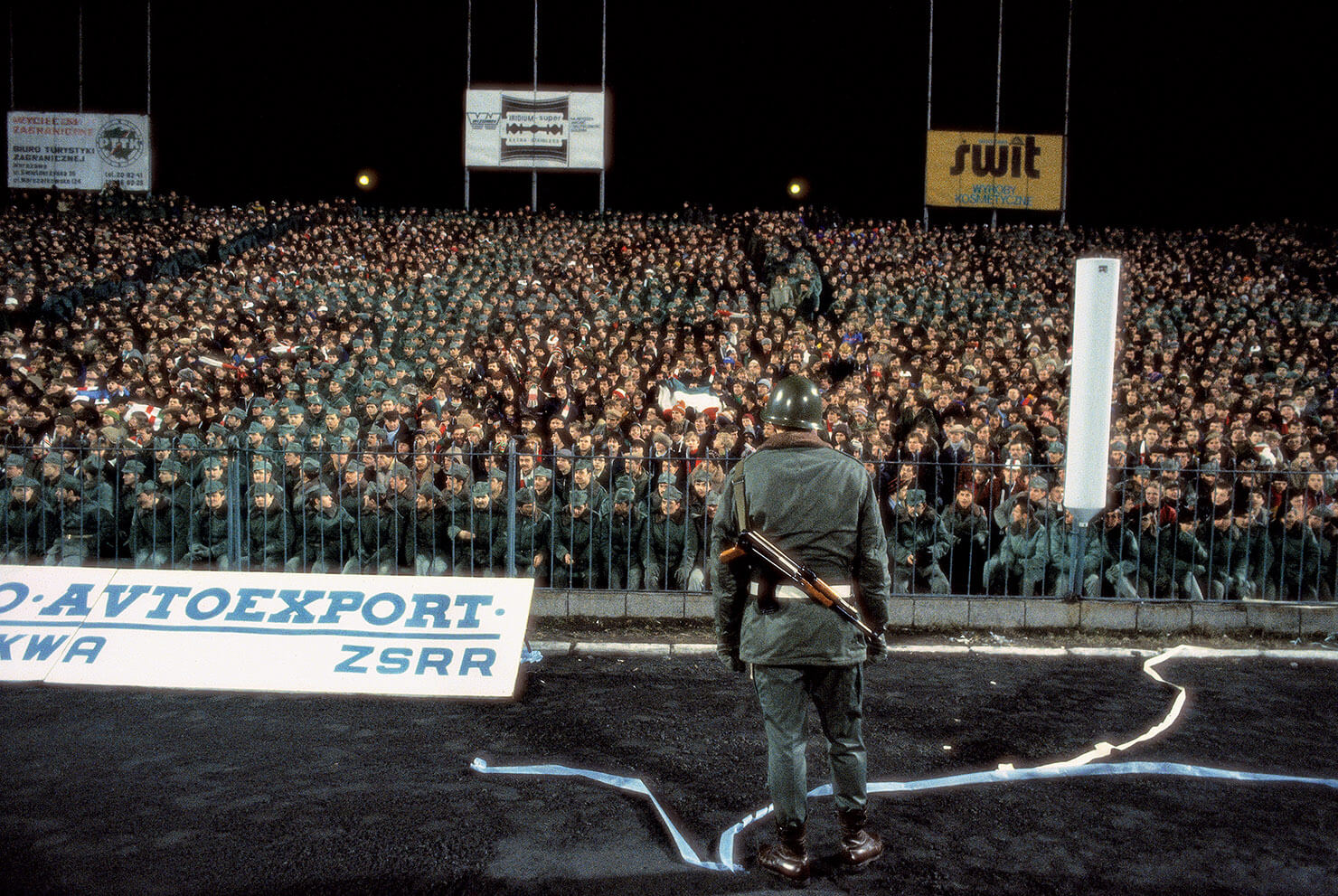
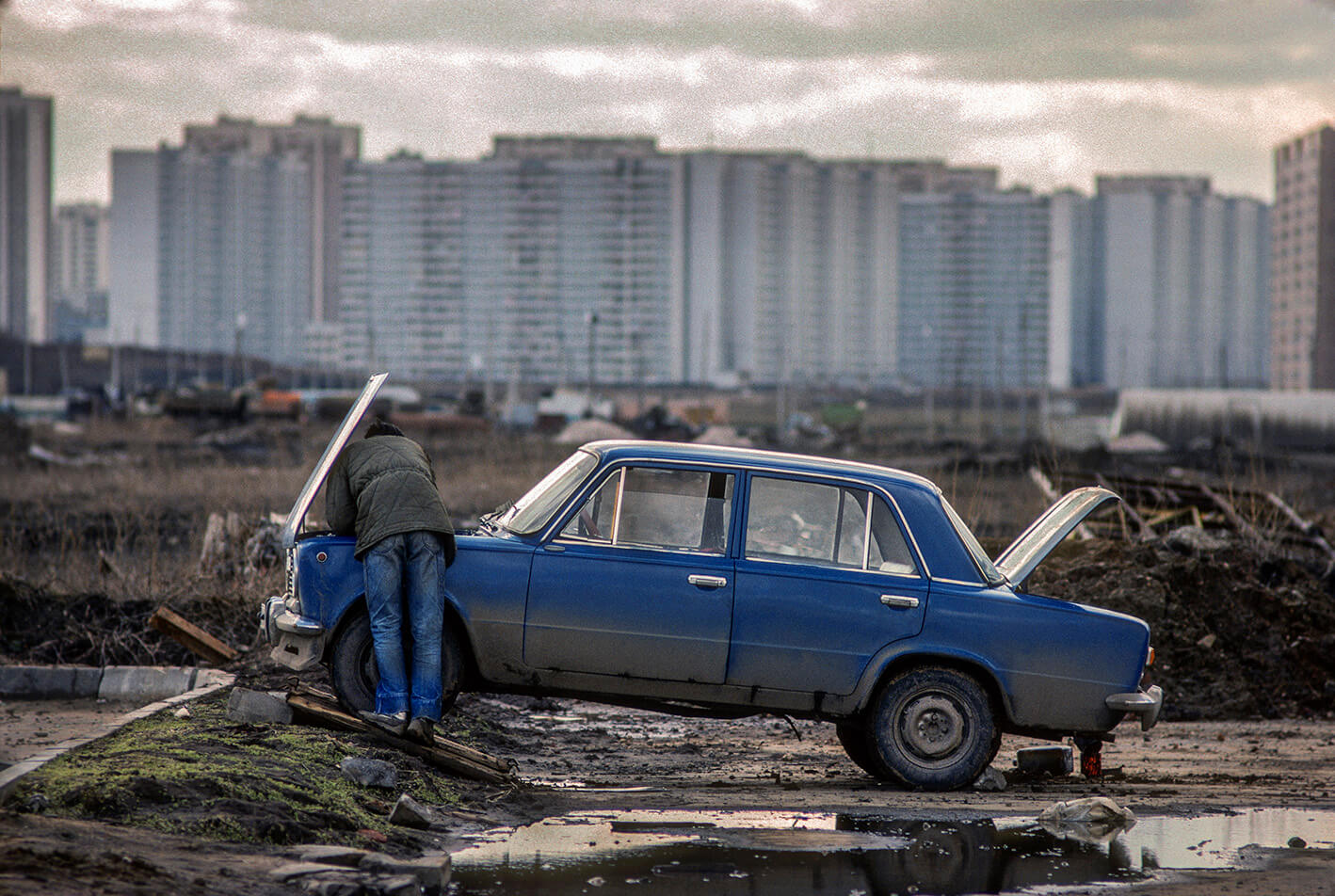
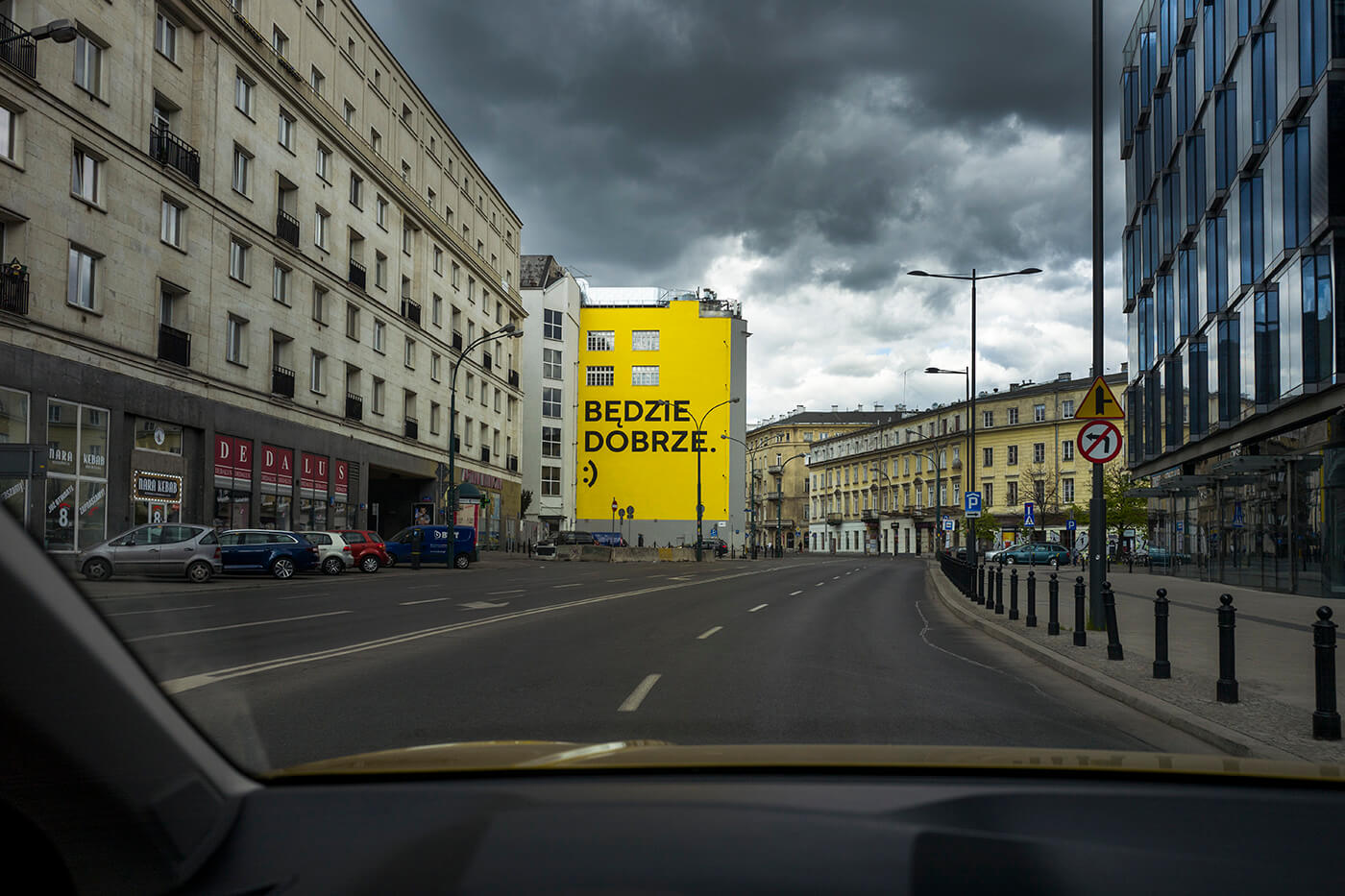
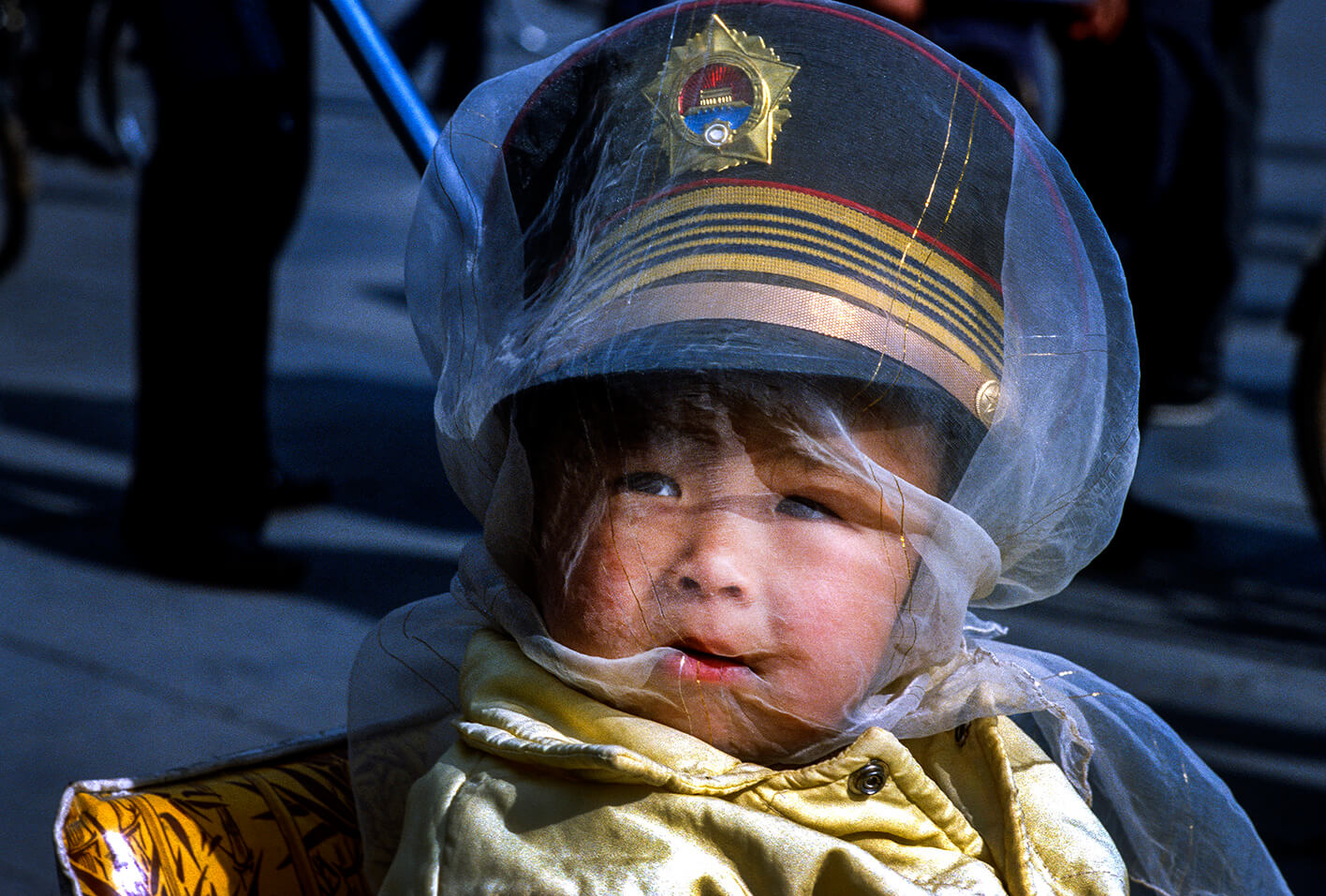
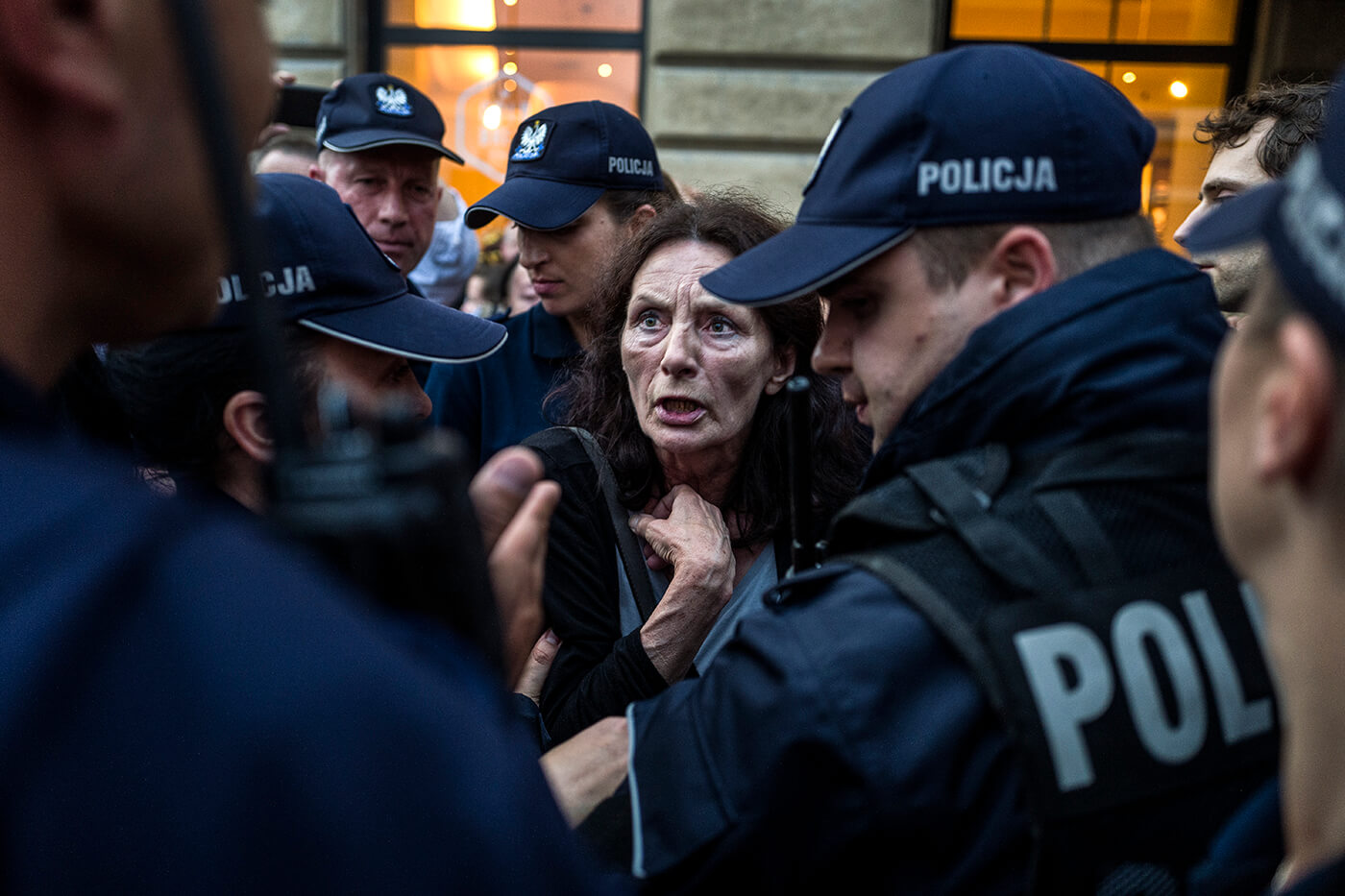
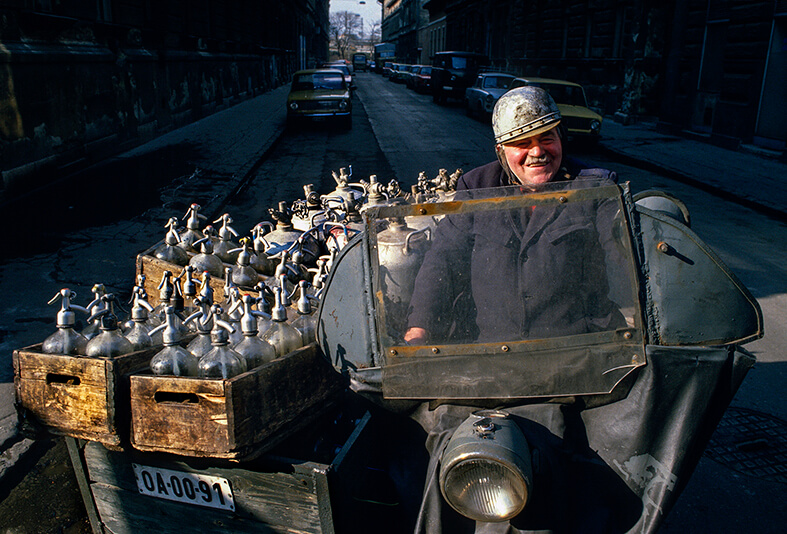
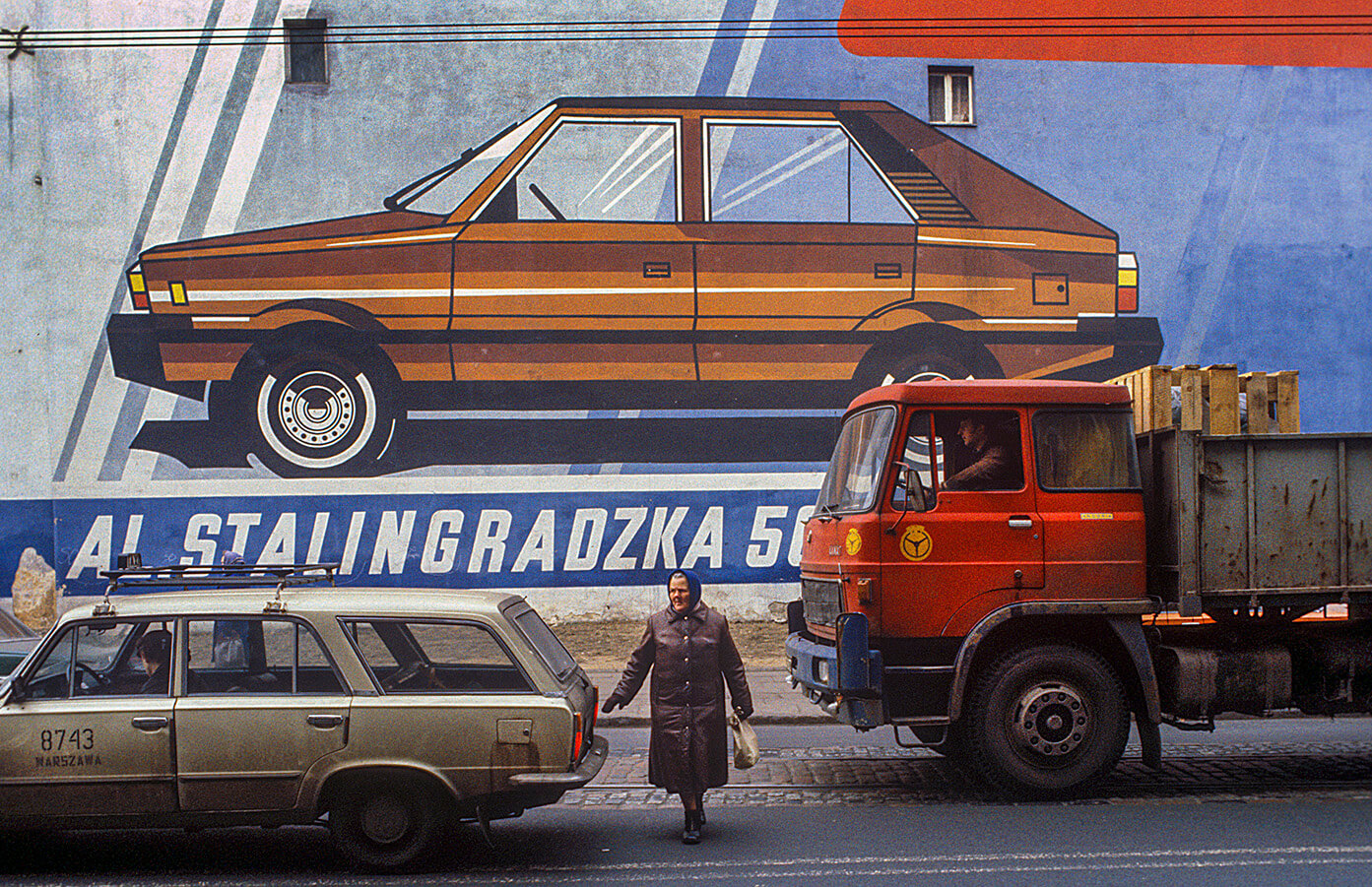
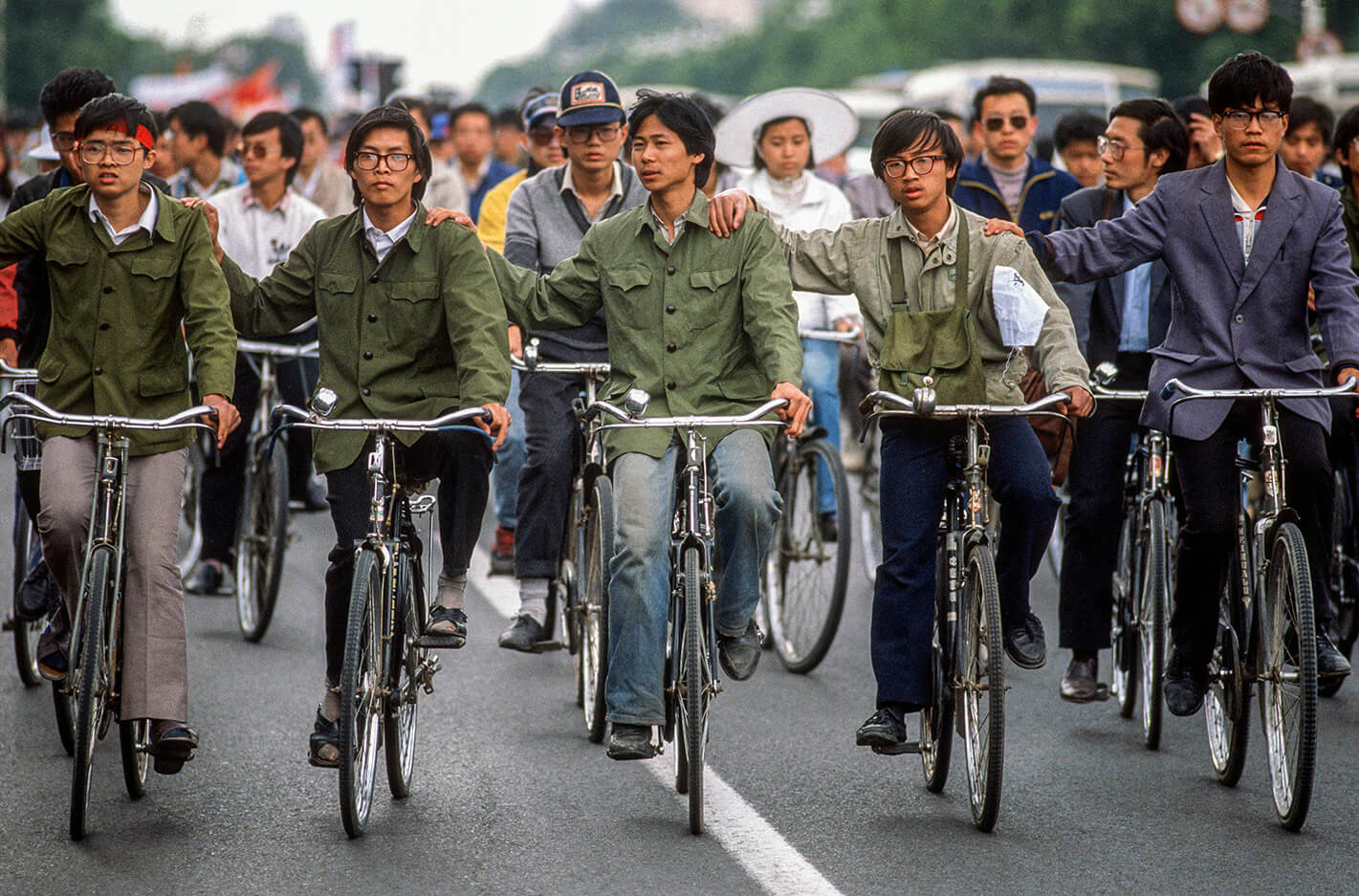
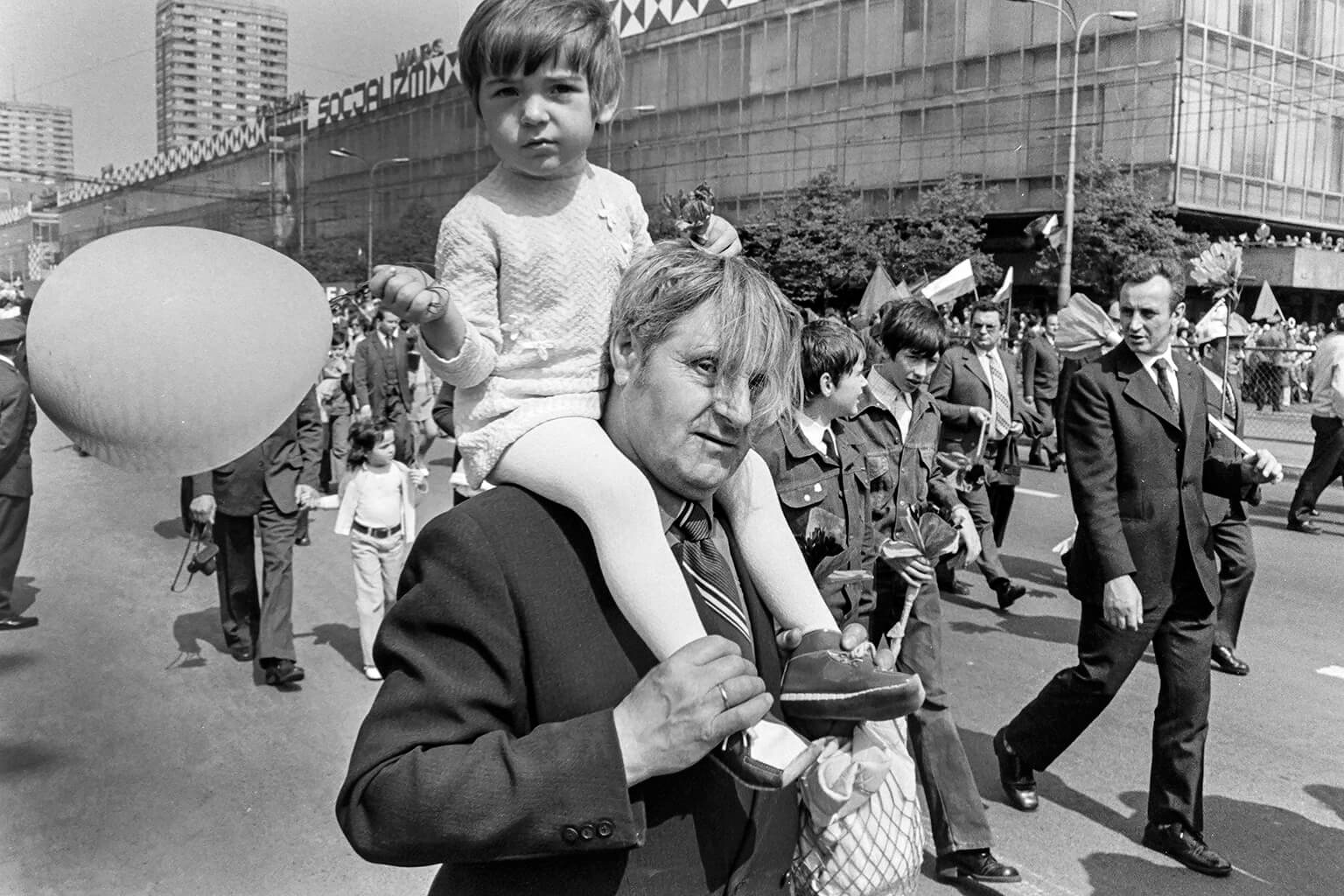
Chris Niedenthal is a photographer – legend. For years, his photographs have been presented in exhibitions and publications. Thus, selecting approximately 200 images from an archive of hundreds of thousands of photographs posed a great challenge. We felt tempted to surprise the audience and present works which have not been shown before. However, a retrospective of Chris Niedenthal’s 50 years in photojournalism has never been done before.
He documented the activities of two future Nobel Peace Prize winners: Lech Wałęsa and Mikhail Gorbachev. A winner of the World Press Photo prize himself, Niedenthal was a contract photographer for two of the most important newsmagazines in the world: Newsweek and Time. His photographs depicting life in Eastern Bloc countries were published by Stern, Geo, Der Spiegel, and Paris Match, among others. He was the only foreign photographer documenting the first days of the Lenin Shipyard strike in Gdańsk. From day one, his primary focus was photojournalism. Having no interest in studio or art photography, he wanted to document reality, not create a new one.
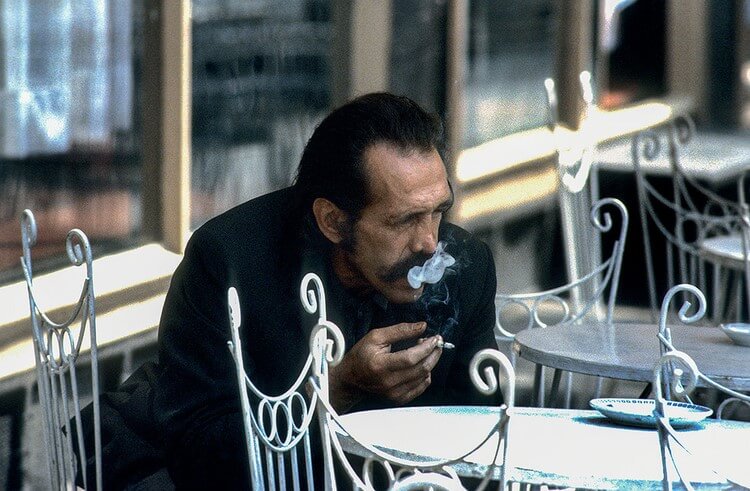
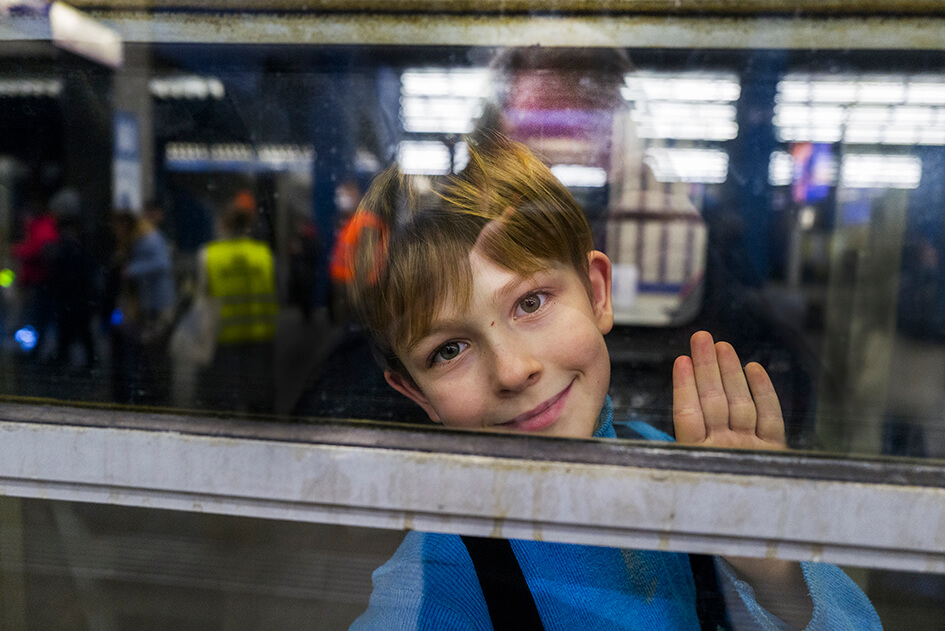
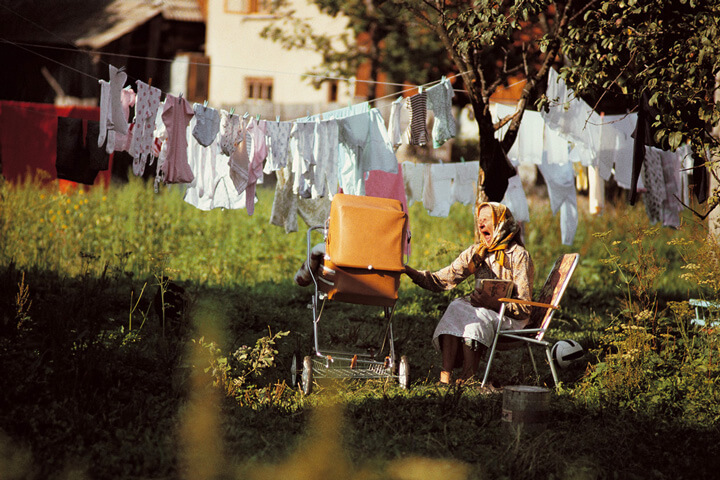
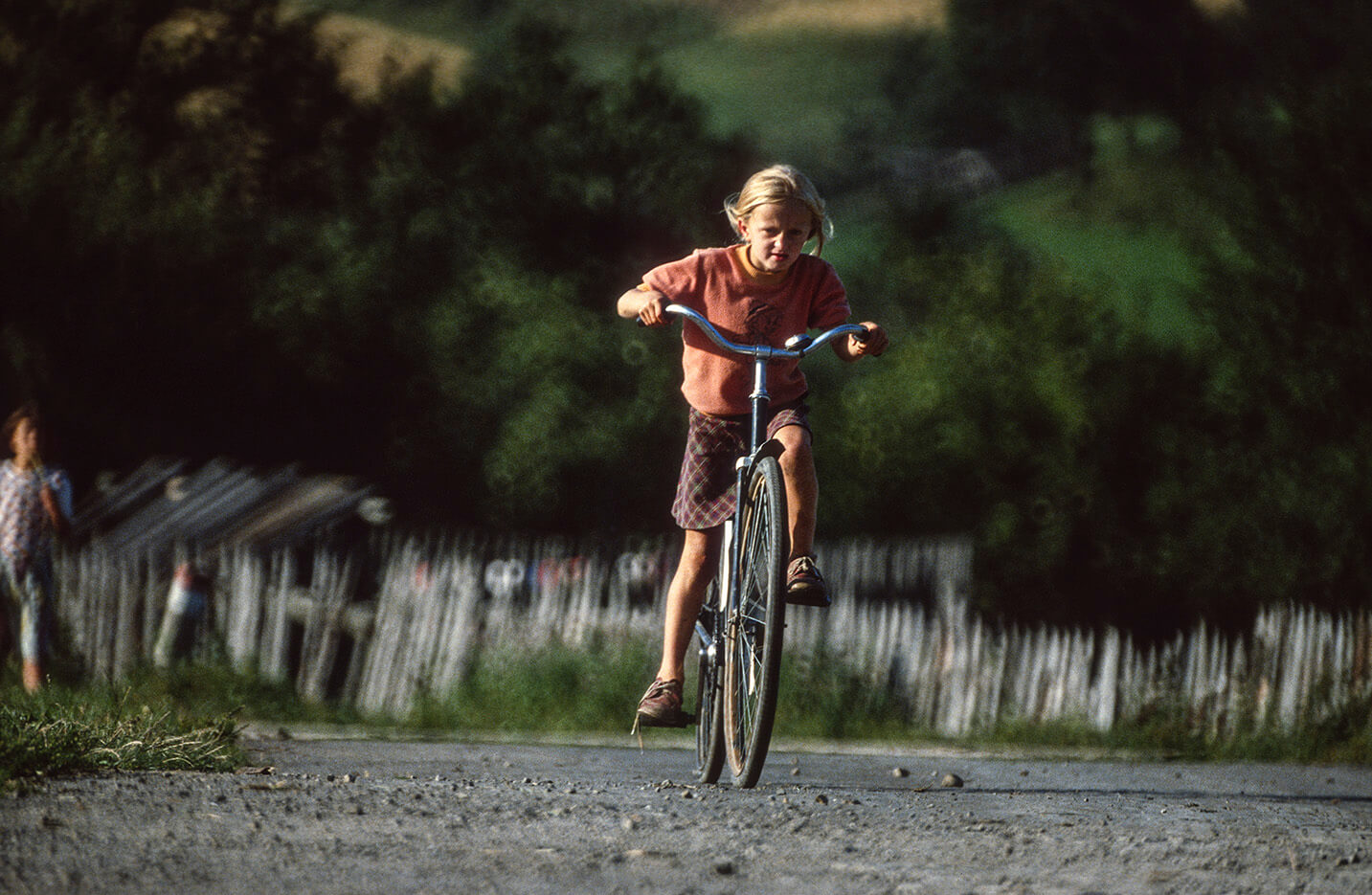
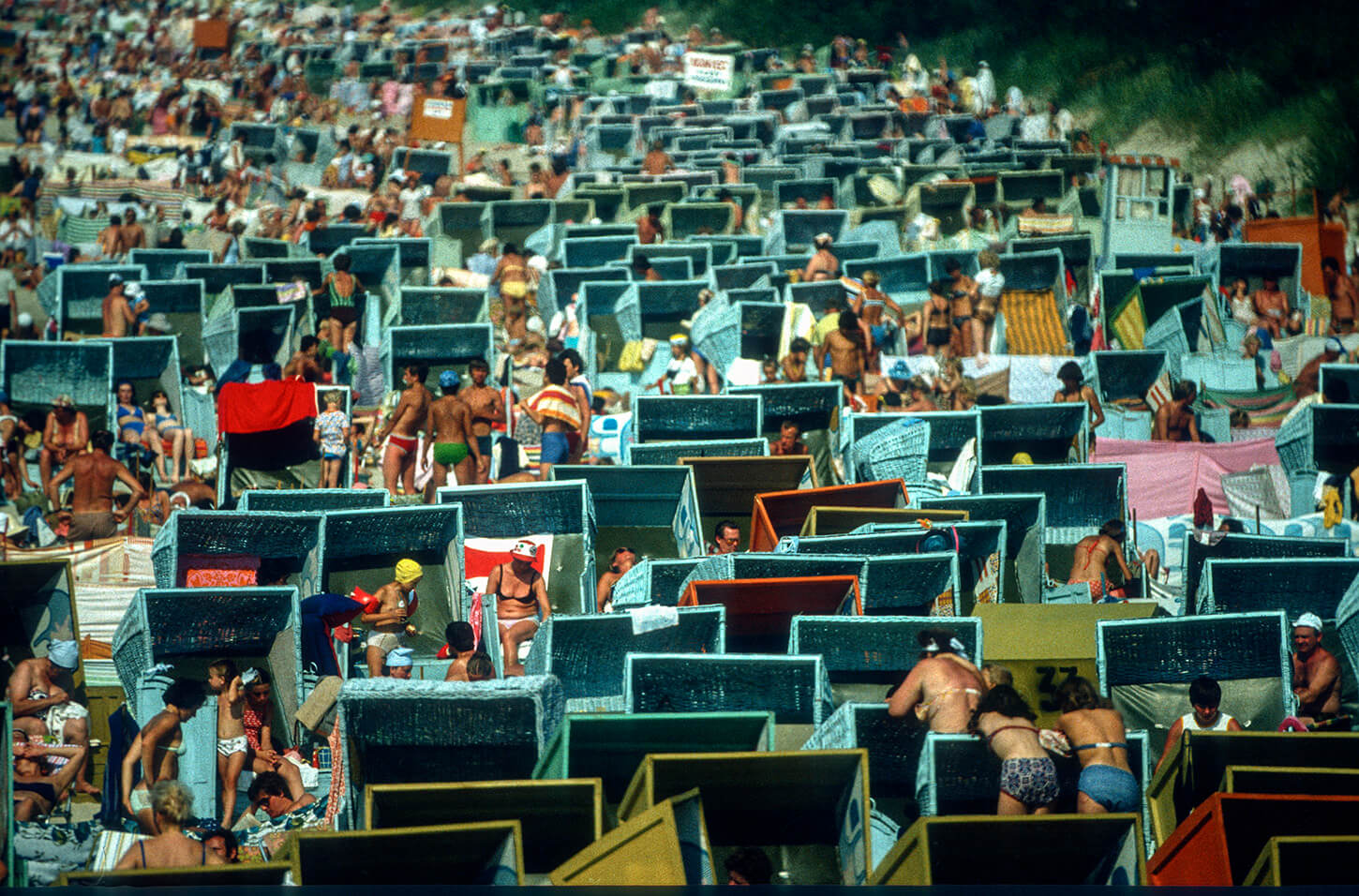
Always professional and honest, he knew his limitations. He didn’t document the centres of protests or street riots. He did not cover conflicts. In one interview he said: ”I do not photograph dictators but the consequences of their actions”. (Ironically, it was a photograph of the Hungarian dictator János Kádár that that won him a World Press Photo prize). His prime interest was everyday life and ordinary people. These photographs are the greatest and most fascinating part of his archive. Perhaps it is so because the country his parents were born in was so different from the one he grew up in. He would roam communist-ruled Poland with a camera, capturing situations which seemed ordinary to contemporary Poles. Yet he saw something exceptional in them.
A foreign correspondent press pass enabled him to take photographs few could take at that time. His contracts with Newsweek (from 1978) and then Time were a tremendous step forward in his career. It meant unlimited access to high quality colour films. He knew the language. He had a car and a British passport. He could leave Poland anytime. But he never did. That is why his archive is a unique journalistic record of Poland and Eastern Europe of the 1970s and 1980s.
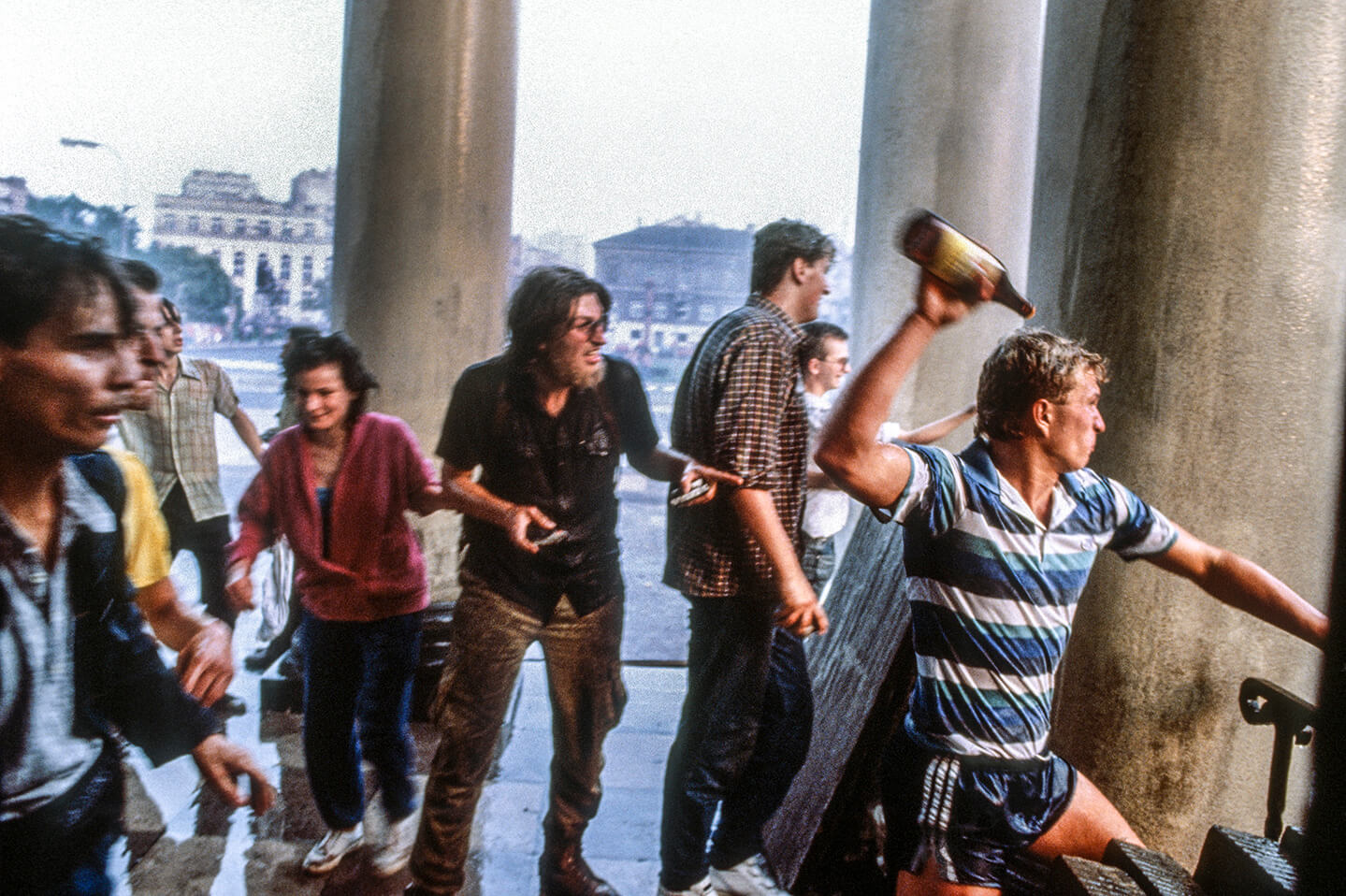
He would preserve it on colour slides. It was this difficult photographic medium, requiring very precise exposure, which lent itself to printing in glossy magazines. He used to ship undeveloped film rolls, meticulously described on envelopes, to editorial offices. He did not know what his work looked like. A lab technician would develop the films and a photo editor would choose the frame that would be published. Niedenthal was only able to see the effects of his work in the print editions of magazines sent to him by the editorial offices. Considering the delays of post offices, he sometimes had to wait for a long time.
Although he has worked for prestigious world magazines, he always points out that it was Polish photographers who taught him professional photography.
We hope that you will be willing to get to know both the photographs and their author: an author who consistently followed his own path, knew how to use the opportunities which presented themselves, became a legend of photojournalism, and at the same time has remained a warm, open, and modest human being.
Anna Brzezińska and Katarzyna Puchalska
Gallery
About the artist
I like Charlie Watts from The Rolling Stones, even if he is not the crème de la crème of the world’s drummers. He is rather the background for Mick Jagger and the other Stones. For me, though, he is the essence of the band. The essence which has always attracted me. I try to use that essence in whatever I do.
Charlie Watts plays with no ornaments. He is just the consistent and steady engine that pulls the band forward. I liked playing in that style: with no quirkiness but with a lot of essence; with the rhythm and power. With age, I have become fond of cooking in that manner. Without unnecessary ornaments, such as an excess of herbs or exotic ingredients. The essence matters the most. My photography is the same. It may be stripped of novelties and extreme effects, but it is full of essence.
Chris Niedenthal was born on October 21, 1950 in London, as the younger of Helena Niedenthal (née Łyżwańska) and Jan Niedenthal’s two children. His mother, a stenographer for the Polish Telegraphic Agency in Warsaw, emigrated with the Polish government following the German invasion in September 1939. His father, a Vilnius prosecutor, left Poland after Soviet troops invaded the country on September 17, 1939. The couple eventually met and married in Great Britain.
In 1972, Chris Niedenthal graduated from a photography course at the London College of Printing and worked for the London-based Features International agency for half a year.
He first visited Poland in 1963 with his parents and sister. Two years later, he came back on his own, and returned practically every summer thereafter. In 1971, Niedenthal took up a job guiding tours around Poland. In May 1973, he was invited to Poland by the Polish Interpress Agency.
Niedenthal was a freelancer from 1974 to 1978, reporting for the German weekly Stern and monthly Geo and the Swedish daily Expressen. He cooperated with Newsweek from 1978. In 1985 he became a Time photojournalist.
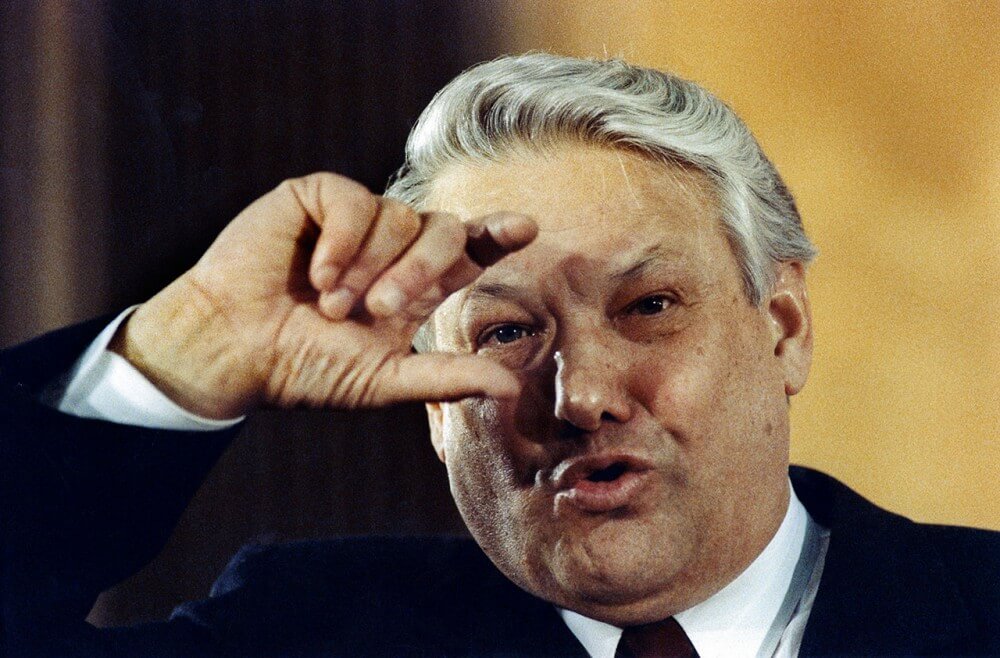
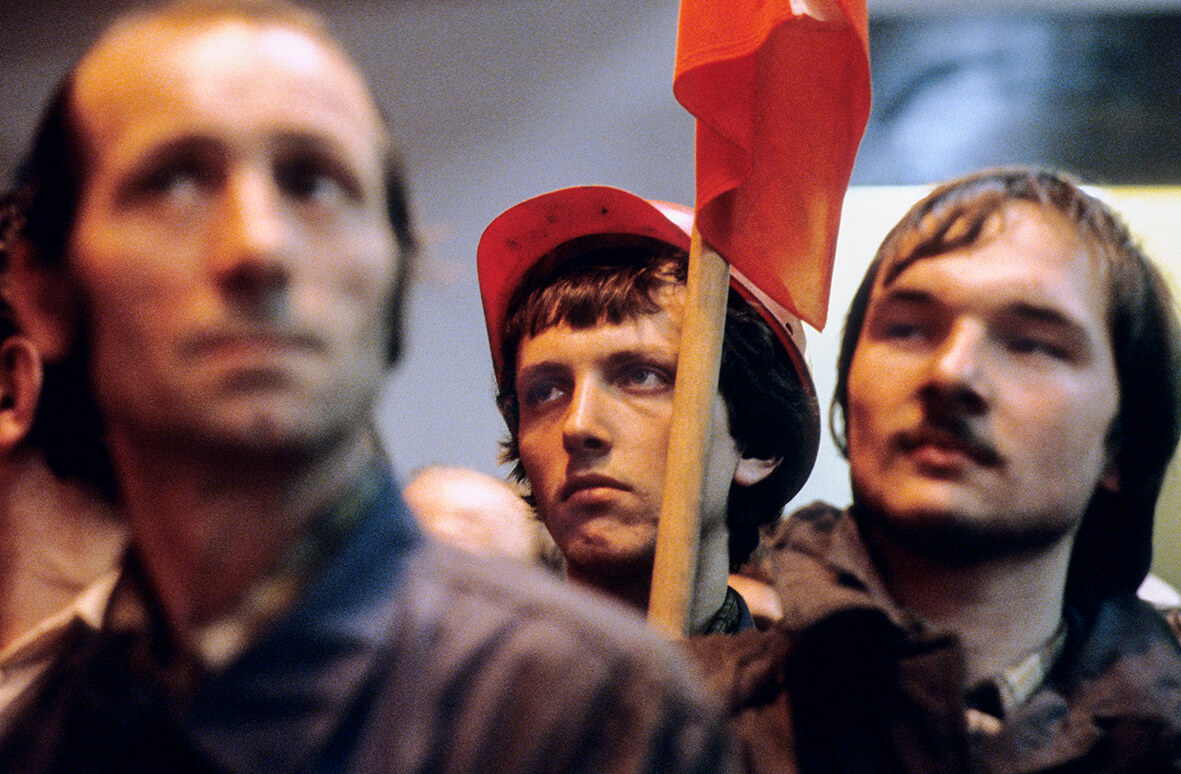
Reportage photography, presenting both historical events and everyday life of the 1980s, brought him most fame. He documented John Paul II’s first pastoral visit to Poland, the rise of “Solidarity”, the first days of martial law, the fall of communism, and the democratic transformations in Eastern Europe in 1989.
In 1986 he won a World Press Photo award for a portrait of János Kádár, the Hungarian communist leader. The photo then appeared on the cover of Time magazine. Niedenthal was also the author of a socially conscious photographic project revolving around the issue of “invisible” children with intellectual disabilities (including the exhibition Taboo. The Portraits of the Unportrayed). Together with Tadeusz Rolke he created the exhibition Sąsiadka (Neighbour) addressing the difficult relations between Poles and Jews.
After 2015 Niedenthal came back to photojournalism. In a sense this profession is a mission. As I have covered so much history throughout the years, I think that I cannot stop now. I have to document the condition we are in at the moment. Earlier I did it for notable world magazines, now I do it for myself.
Fifteen catalogues with Chris Niedenthal’s photographs and an autobiography have been published so far.
After a forty-year break he returned to playing drums. Five years ago, along with Andrzej Narożański and Andrzej Wernohe, he formed the blues band Sir Hardly Nobody. They have recorded one album: Drywood Blues.
Information
Date
09.03.2024 — 10.08.2024
Location
Rzeczna Art Gallery
The Rybnik Art Education Center
1 Rzeczna street, 44-200 Rybnik
Duration
± 2 hour/s:
Curators
Anna Brzezińska and Katarzyna Puchalska
Project coordination and exhibition production
Julia Libera House of Encounters with History
Graphic design and exhibition arrangement
Lotne Studio
Implementation of the exhibition project
Rzeczna Art Gallery | P.W TK-BUD Michael Tkocz | E-graficy.pl | Omega System | Vison.pl | Marcin Giba | Mateusz Szymura